The performance of karting depends on the accuracy of the setup, so a few changes in the chassis dynamics, tire management, and weight distribution can reduce the time by a few seconds per lap. The ability to control these aspects makes an average driver a competitive leader due to superior grip, stability, and power transmission.
Chassis Geometry: Foundation of Cornering Precision
Chassis configuration starts with the choice of axles stiff 40-50mm rear axles are used to roll smoothly on asphalt, with high grip, and exit sharp, whereas flexible 30-35mm axles can counteract the bumps in the technical track. Extend front track 10-20mm forward behind to provide straight line stability, and reduce it to allow agile rotation. Position set caster at 12-15 degrees to sharpen steering response and 1-2mm front toe-out to encourage turn-in and zero rear toe to minimize scraping in tires. Optimal camber gain is at kingpin inclination of about 10 degrees – test by equalizing push-lap time across sectors.
Tire Management: Maximizing Grip and Longevity
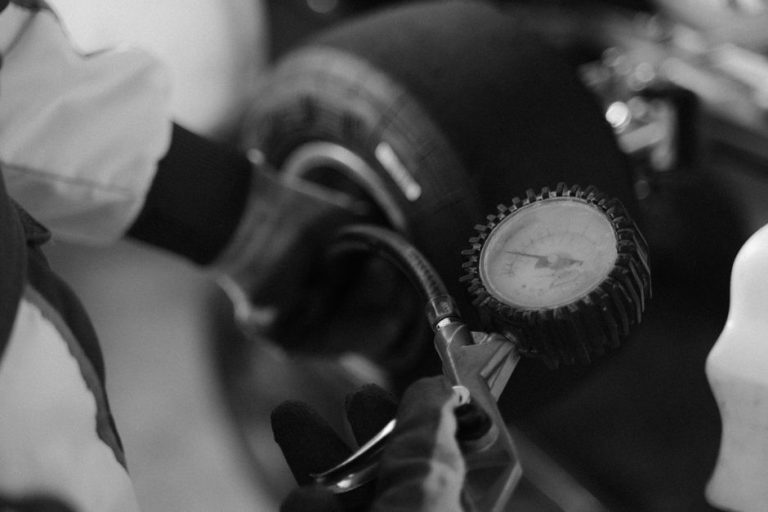
Handling is determined by tires, 80 percent; aiming front at 12-16 PSI and rear at 10-14 PSI to permit staggered cooling to ensure even wear. Slicks such as MG Red with high grips are good in dry conditions whereas MG Blue slicks with the rain channels the water. Rear-biased traction Use 4.50/9.5-10 front and 7.10/11 rear. Use -1 -2 degrees camber on the outer edges to fight the accumulation of heat; change the tires once per week. Warm-up laps slowly increase temperature of the build – cold rubber loses 20% grip immediately. Compounds to follow: soft in tight corners, hard on long straights.
Weight Distribution: Achieving Dynamic Balance
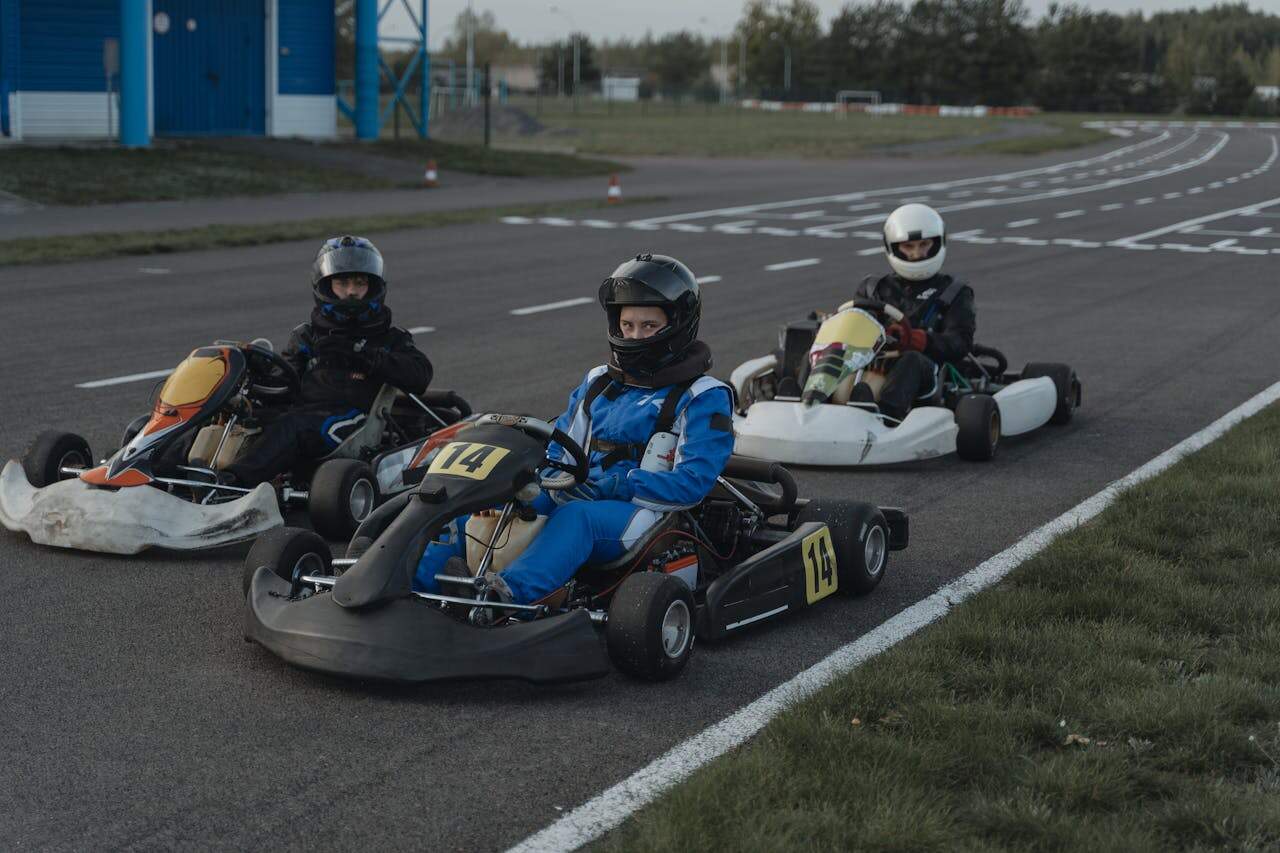
Proportional balance Ideal balance is 50/50 on symmetric circuits and 52/48% to the rear in traction exits. Reduce the center of gravity by lowering the seat and place battery/magneto behind the driver. Install low-mounted ballast (up to 30kg) to fine-tune, aiming at 170-190kg overall weight, including driver. Weight the chassis at the corners to the diagonal balance on the scales under 2kg imbalances lead to understeer or snap oversteer. Check dynamic flex on roller rig to determine weak areas.
Suspension and Braking: Control Under Load
Suspension is chassis flex fitted, – install rear torsion bar bump rubbers to increase stiffness of rebounds, and keep front bumper height to 50-60mm unloaded to reduce the amount of dive. Brake bias 80% rear stops front lockup; pedal ratio set 4:1 progressive modulation. Fade can be prevented by use of ventilated discs with quarterly bleeds, and a firm master cylinder to respond to immediately.
Engine and Drivetrain: Seamless Power Delivery

Use 4500-5000 RPM engage clutch to make clean launches; use slipper clutches to control wheelspin. Track length gears: Track length gear up to 5200 RPM on 60m straights. Jet carbs 130-140 main to altitude and fuel ratio- lean to peak power, rich to endurance. Gap NGK B8ES to 0.7mm; clean air filters to rid bogging. Log RPM is traced to nail shift at 7500-8500 RPM.
Data-Driven Testing and Iteration
Baseline laps, isolate variables, one variable for every 10 lap stints, sector deltas. AIM Solo telemetry measures speed, throttle position and lateral G-force to provide a diagnosis of problems such as mid-corner push. Integrate driver feedback (loose entry, tight apex) and objective data to make pit adjustments. Inter-session tire preservation is done by cool-down laps.
Rigorous Maintenance for Reliability
Grease bearings on a daily basis, lube chains after a run and true wheels to a runout of less than 0.5mm. Spindle nuts 25Nm every quarter to avoid caster wander. Fresh hubs eliminate play.
An adjusted system provides groundbreaking lap-time and uninterrupted reliability. Professionals repeat themselves over and over again- copy what they do in order to overcome the track.