Big trips are amazing, but they’re not always realistic. Between work, family schedules, and budgets, many of us spend months waiting for “the perfect time” to reset. Micro-adventures flip that script: short, local, low-cost experiences that deliver a genuine mental and physical refresh—often in under three hours.
This roundup collects practical, creative micro-adventure ideas plus simple planning tips so you can build a habit of exploring, learning, and recharging without needing a plane ticket. Think of it as a menu: pick one, try it this week, then repeat with a new option next week.
What counts as a micro-adventure (and why it works)
A micro-adventure is a mini “escape” that fits into normal life—before work, after dinner, or on a weekend morning. The key ingredients are novelty (doing something slightly different), a clear start/finish, and a light sense of challenge.
Why do these small outings matter? Research and public reporting frequently highlight how movement, daylight, and social connection can influence mood and wellbeing. If you want a broad, accessible overview of current health topics and reporting, BBC News health coverage is a useful place to browse for updates and context.
For many people, the “dose” is what makes it sustainable: you’re not committing to an intense lifestyle overhaul. You’re committing to 60–180 minutes of intentional living.
Roundup: 15 micro-adventures you can actually do this week
1) The “Golden Hour” neighborhood photo mission
What to do: Set a 45-minute timer around sunset and walk with one goal: capture 12 photos that fit a theme (e.g., “circles,” “reflections,” “red objects,” “old signage”).
- Why it’s good: You get steps, fresh air, and a creative constraint that makes familiar streets feel new.
- Make it actionable: Create a shared album with friends and compare your “best 3” afterward.
2) The 5-mile “no-map” wander (with a safety boundary)
What to do: Walk or cycle for 30–60 minutes without using navigation—only one rule: never go beyond a boundary you set in advance (a river, a ring road, a specific district).
- Tip: Screenshot your starting point and keep your phone charged. Curiosity is the point; safety is the priority.
- Real-world win: People often discover shortcuts, parks, and local shops they never noticed while commuting.
3) “Third place” sampling: test-drive 3 local hangouts in one morning
What to do: Spend 30 minutes each in three different “third places” (beyond home and work): a library, an independent café, a community center, a market hall.
- Actionable: Ask one staff member what time/day is best for a first-timer.
- Outcome: You’ll build a shortlist of places that make your town feel more like a community.
4) The “tourist in your own town” challenge
What to do: Pretend you’re visiting for the first time. Choose one landmark, one local museum or historic plaque, and one food specialty.
- Tip: Look for free-entry times or discounted late hours.
- Bonus: Write a 5-sentence “mini review” afterward—future you will thank you.
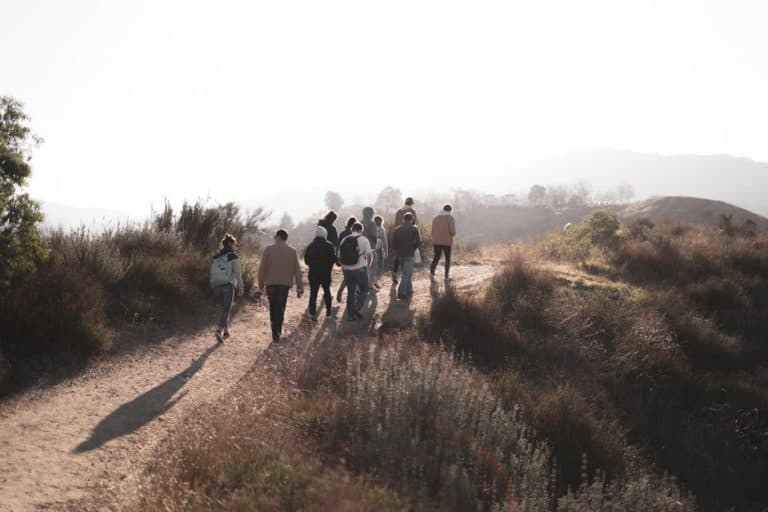
5) Sunrise coffee on a hill (or the highest point you can reach)
What to do: Pack a hot drink and walk to the highest accessible point nearby. Stay 10 minutes, then head home.
- Why it works: Morning light + gentle movement can make the whole day feel longer.
- Keep it simple: One thermos, one snack, one layer more than you think you need.
6) The “two buses and a walk” random destination
What to do: Take two public transport legs to a stop you’ve never used, then walk back using a different route.
- Tip: Set a maximum time (e.g., 2 hours total) and a turn-back alarm.
- Real-world example: This is a great way to find new parks, waterfront paths, or hidden viewpoints.
7) A 60-minute “skills sprint” outdoors
What to do: Practice one simple skill in fresh air: juggling, jump rope, slackline, frisbee throws, or basic calisthenics form.
- Actionable: Film one set at the start and one at the end—track progress weekly.
- Data point: Even modest activity adds up. A brisk walk often falls in the 100–120 steps/min range for many adults, so a 30-minute walk can easily be 3,000+ steps toward typical daily goals.
8) The “park bench book club” (solo or with a friend)
What to do: Bring a short article, essay, or a chapter. Read for 25 minutes, then discuss for 10 minutes (even if it’s just voice notes to yourself).
- Tip: Keep a running list of the best benches—shade, quiet, and people-watching quality matter.
9) A local “taste map” of one ingredient
What to do: Choose one ingredient (bread, coffee, tacos, dumplings, gelato) and sample it from three places in a single afternoon.
- Actionable: Rate each on a simple rubric: price, taste, service speed, vibe.
- Outcome: You’ll build a reliable go-to list for future meetups.
10) Micro-volunteering: one hour, one task
What to do: Pick a single, time-boxed volunteer action: a community litter pick, a donation sort shift, or helping at a local event setup.
- Tip: Look for opportunities that let you drop in without long onboarding.
- Why it’s powerful: Acts of service add meaning—often the fastest route to feeling “reconnected.”
11) The “night walk” with a purpose
What to do: Take a 20–40 minute walk after dinner with a specific target: find the best-lit street, the quietest block, or the most interesting front gardens.
- Safety checklist: Well-lit routes, tell someone your loop, keep volume low if using headphones.
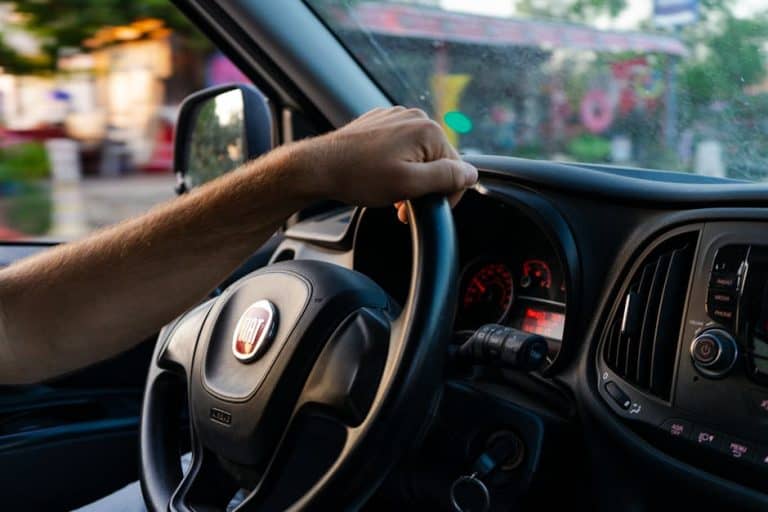
12) A DIY “rally stage” navigation drive (or cycle) using landmarks
What to do: Create a short route using only landmark cues (e.g., “turn left at the clock tower,” “straight past the old cinema”).
- Tip: Keep it legal and calm—this is about attention and fun, not speed.
- Motorsport-friendly twist: Time your stops and plan like a mini roadbook. It scratches the planning itch without needing a track day.
13) The “one new sport” taster session
What to do: Book a beginner class in something you’ve never tried: climbing, padel, rowing, archery, pickleball, martial arts.
- Actionable: Email the venue beforehand: “What should I bring, and what level is the session?”
- Data point: Beginner sessions are often designed to be accessible; many places loan equipment to reduce friction.
14) The “errand adventure” makeover
What to do: Turn necessary errands into a mini quest. Example: pick up groceries via a scenic route, or visit three small shops instead of one big store.
- Tip: Add one “treat stop” you don’t normally allow yourself—like a bakery item or specialty drink.
- Outcome: You still get life admin done, but it feels less like a chore.
15) The “rainy day” micro-adventure (yes, really)
What to do: Dress for the weather and take a 25-minute walk to observe how your area changes in rain: reflections, smells, fewer crowds, different sounds.
- Gear tip: A brimmed cap + light waterproof shell beats an umbrella for hands-free comfort.
- Mindset shift: Rain becomes the feature, not the obstacle.
Roundup: planning shortcuts that make micro-adventures stick
Create a “micro-adventure list” with three difficulty levels
- Easy (30–60 mins): golden hour photo mission, park bench reading, night walk loop.
- Medium (60–120 mins): third place sampling, taste map, no-map wander.
- Spicy (120–180 mins): two buses and a walk, beginner sport taster, DIY roadbook route.
When energy is low, pick “easy.” When motivation is high, pick “spicy.” The system prevents the common trap of making every plan too ambitious.
Use the “2-2-2” kit rule
- 2 essentials: phone + payment (card/cash).
- 2 comforts: water + a layer (or sunscreen).
- 2 backups: small snack + portable charger (or a written address).
Keep these in a small bag by the door so leaving the house feels effortless.
Set a hard stop time
Micro-adventures work because they don’t invade your whole day. Decide upfront when you’ll be home. Paradoxically, limits make it easier to say yes.
Track your “adventure ROI” in one sentence
After each outing, write one sentence: “This was worth it because…” Over time, you’ll learn what genuinely recharges you—nature, social time, movement, novelty, or quiet.
Conclusion: make life feel bigger—one small outing at a time
Micro-adventures are a practical antidote to the “I’ll start living when things calm down” mindset. With a short list of ready-to-go ideas and a few planning shortcuts, you can build consistent moments of novelty, movement, and connection—without the pressure of a major trip.
Pick one option from the roundup, schedule it like an appointment, and keep it small enough that you’ll actually do it. Then repeat. In a month, you won’t just have more photos or new favorite cafés—you’ll have proof that your day-to-day life can still feel like an adventure.