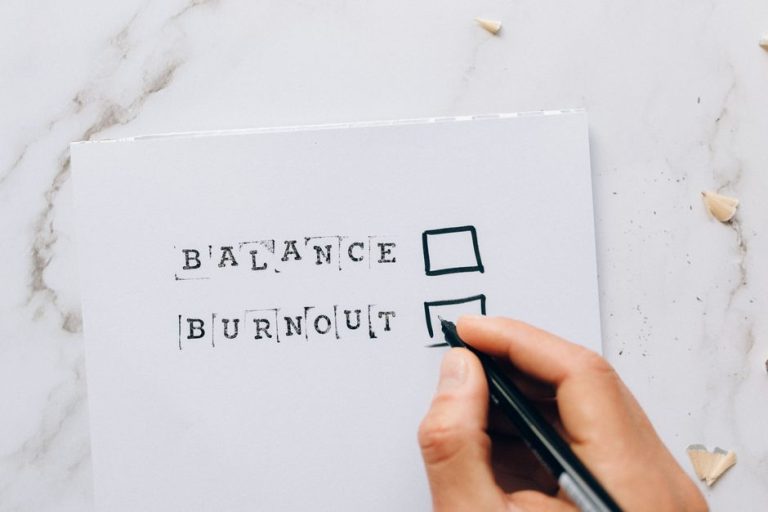
Why “attention strategy” is the new productivity strategy
In 2026, the bottleneck for most people isn’t knowledge, tools, or even motivation—it’s attention. Notifications, algorithmic feeds, and “always-on” work culture make it easy to feel busy while producing little that matters. The upside: there are now several practical, tested approaches you can choose from depending on your lifestyle, job demands, and stress tolerance.
This comparison looks at three modern attention strategies that go beyond generic “productivity hacks”:
- Digital Detox (remove stimulation for a period)
- Dopamine Menu (replace low-quality dopamine with intentional options)
- Focus Sprints (time-boxed deep work with planned recovery)
You’ll learn how each works, who it’s best for, common failure points, and how to implement a version that fits real life—whether you’re running a business, commuting, studying, training, or juggling family responsibilities.
Option 1: Digital Detox (the “hard reset”)
What it is
A digital detox is a deliberate reduction (or temporary elimination) of high-stimulation digital inputs—most commonly social media, short-form video, news apps, or even email—for a defined timeframe. Think: “no social media for 14 days” or “phone-free weekends.”
Why it can work
- Interrupts habit loops by removing cues (icons, notifications, idle scrolling triggers).
- Recalibrates baseline stimulation, making “boring but valuable” tasks (reading, planning, writing) feel less painful.
- Restores time visibility: many people underestimate daily pickup/scroll minutes until they’re gone.
Where it often fails
- All-or-nothing rebound: after a strict detox, many people binge harder.
- Doesn’t teach replacement behaviors: removal without a plan leaves a void.
- Work/social friction: some roles require constant availability; sudden cuts create stress.
Best for
- People who feel compulsively tied to apps (checking without thinking).
- Anyone experiencing burnout symptoms and needing immediate relief.
- Those in a “between seasons” moment (vacation, job transition, post-event recovery).
How to implement it (realistic version)
- Detox one category, not your whole life: e.g., remove short-form video first.
- Set a finish line: 7, 14, or 30 days. Open-ended detoxes become brittle.
- Replace the trigger: if you scroll during coffee, swap in a newsletter, paperback, or a 10-minute walk.
- Use friction: delete apps, log out, move icons off the home screen, or use Screen Time limits with a code held by a friend.
Real-world example: A small business owner who was losing 60–90 minutes/day to short-form video ran a 14-day “short video detox” while keeping messaging and maps. She replaced the 3 typical scroll windows (morning, lunch, late evening) with a saved list of low-effort alternatives: 5-minute journal, stretching, and a “quick admin” checklist. The outcome wasn’t perfection—it was reducing daily “attention leakage” and reclaiming predictable focus windows.
Option 2: Dopamine Menu (the “substitution” model)
What it is
A dopamine menu is a curated set of activities you can choose from when you want stimulation or a break—structured like a menu. The idea is not to eliminate dopamine (impossible and unnecessary) but to upgrade it: shift from endless, algorithm-driven hits to intentional options that actually restore you.
Typically, menus include categories like:
- Appetizers (5–10 min): breathing, quick tidy, short walk
- Main courses (30–90 min): gym session, hobby, long-form reading
- Sides (do alongside tasks): music, ambient sound, a podcast during chores
- Desserts (use sparingly): games, social media, streaming
Why it can work
- Reduces decision fatigue: you already know what “good breaks” look like.
- Preserves pleasure while protecting focus—less shame, more sustainability.
- Trains awareness: you learn which activities truly restore energy vs. drain it.
Where it often fails
- Menu is too aspirational: “learn Italian” won’t beat TikTok when you’re tired.
- Dessert becomes the whole meal: if rules are vague, easy dopamine wins.
- No environment support: the phone is still within reach during every micro-pause.
Best for
- People who dislike strict rules and need a behavioral swap, not a ban.
- Parents, caregivers, and shift workers who need flexible restoration.
- Anyone trying to reduce doomscrolling while staying informed.
How to implement it (a menu that beats your phone)
- Build a “low-friction” list: choose items that require near-zero setup (shoes by the door, book on the table).
- Add “state-based” options: tired, anxious, bored, lonely—each needs a different break.
- Time-box desserts: e.g., 15 minutes, then stop. Use a timer, not willpower.
- Make the menu visible: print it or pin it as your phone wallpaper.
Actionable tip: Use a 2-question check before choosing your break: (1) “Do I need to calm down or speed up?” (2) “Do I need connection or solitude?” That quickly narrows the best choice.
Data point to keep you honest: If you want a non-sensational lens on why modern feeds can be hard to disengage from (and the societal debate around it), read reporting and analysis from The Guardian’s technology coverage, which regularly references research and policy discussions about attention, platform design, and screen habits.
Option 3: Focus Sprints (the “performance” approach)
What it is
Focus sprints are structured intervals of deep work followed by real recovery. Unlike vague “work harder” advice, this method treats concentration like a physical system: you apply effort in bursts, then deliberately reset.
Popular sprint formats include:
- 25/5 (classic Pomodoro): 25 minutes focus, 5 minutes break
- 50/10: 50 minutes focus, 10 minutes break
- 90/20: 90 minutes deep work, 20 minutes recovery
Why it can work
- Creates a start line: “Just 25 minutes” lowers resistance.
- Breaks protect quality: recovery prevents the late-session attention collapse.
- Measurable output: you can count sprints, track tasks completed, and adjust.
Where it often fails
- Breaks become scroll sessions: a 5-minute break turns into 40 minutes.
- Wrong sprint length: some tasks need warm-up; 25 minutes can feel too short.
- Over-scheduling: back-to-back sprints all day leads to fatigue and irritability.
Best for
- Students, creators, analysts, and anyone with deliverable-based work.
- People who don’t want to quit apps entirely but need “protected focus.”
- Those who thrive on structure and clear endpoints.
How to run focus sprints that actually hold
- Define “done” before you start: one paragraph, one invoice batch, one design iteration, one training plan review.
- Make breaks non-digital by default: water, mobility, sunlight, quick tidy.
- Use a shutdown ritual: after 3–4 sprints, stop and note the next action for tomorrow.
- Match sprint length to task type: 25 minutes for admin, 50 minutes for writing, 90 minutes for strategy.
Real-world example: A part-time student with a full-time job used two 50/10 sprints each weekday evening for assignments. The rule: phone stays in another room; breaks are kitchen-only (water + stretch). On weekends, one 90/20 sprint handled the hardest task first. The measurable win was consistency: even on tired days, “two sprints” felt achievable.
Side-by-side comparison: which approach fits your reality?
Pick Digital Detox if…
- You feel genuinely addicted to checking and want a clean break.
- You need fast relief from overstimulation.
- You’re able to temporarily reduce social/work expectations.
Pick Dopamine Menu if…
- You want a sustainable lifestyle shift without extreme rules.
- Your main issue is impulsive breaks and doomscrolling.
- You need better “default choices” when stress hits.
Pick Focus Sprints if…
- Your challenge is starting and finishing meaningful tasks.
- You want a method you can measure and improve.
- You can protect at least 1–3 hours/day for structured work.
The hybrid approach (often the most effective)
Most people don’t need one perfect system—they need a stack that covers different situations. A practical hybrid looks like this:
- Digital Detox (light): remove one high-drain app for 14 days.
- Dopamine Menu: pre-plan better breaks so you don’t relapse into scrolling.
- Focus Sprints: use 50/10 to convert reclaimed time into results.
Action plan you can start today (30 minutes total setup):
- Choose one “attention leak” app and delete it for 7 days (or log out and hide it).
- Write a dopamine menu with 5 appetizers and 3 main courses that are genuinely easy.
- Schedule two 50-minute focus sprints this week with phone out of reach.
Conclusion: the best strategy is the one you’ll repeat
Digital detoxing can reset your baseline fast, dopamine menus make better breaks automatic, and focus sprints turn intention into output. The right choice depends on whether you’re fighting compulsion (detox), boredom and stress breaks (menu), or inconsistent execution (sprints). If you’re unsure, start with a hybrid: remove one major distraction, replace it with planned recovery, and run structured sprints to prove to yourself that attention can be trained.
Attention isn’t just a personal preference anymore—it’s a performance factor. Treat it like one, and you’ll not only get more done, you’ll feel calmer doing it.