Why this EV charging comparison matters right now
EV adoption is accelerating, but “charging” still means very different things depending on how you drive, where you live, and what your local infrastructure looks like. The most useful way to plan an EV (or optimize one you already own) isn’t to obsess over range alone—it’s to compare charging approaches like you’d compare fuel strategies in motorsport: time, cost, repeatability, and reliability under real conditions.
This guide compares three distinct approaches that are shaping the next decade of EV ownership:
- Home Level 2 (240V) charging — the overnight workhorse
- Public DC fast charging — the highway and “I need it now” option
- Battery swapping — niche today, potentially disruptive tomorrow
We’ll break them down with practical data points, realistic scenarios, and actionable tips you can apply immediately—whether your priority is commuting efficiency, road-trip speed, or minimizing long-term battery wear.
Option 1: Home Level 2 charging (240V) — the “quiet advantage”
What it is
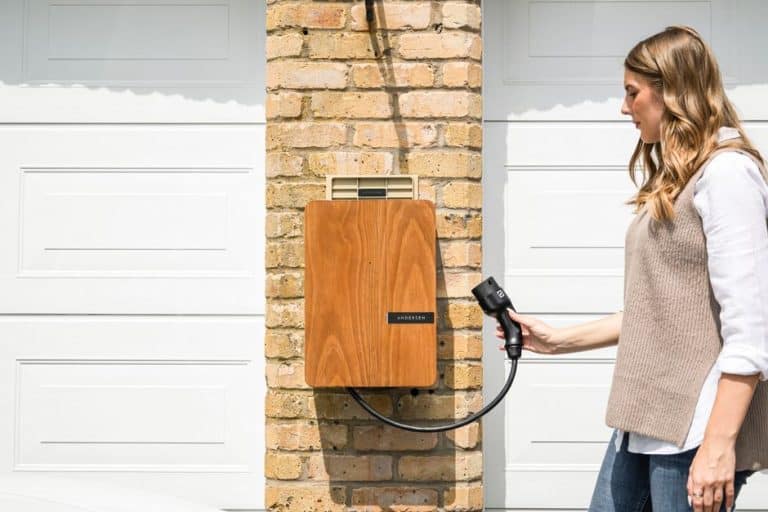
Level 2 charging typically means a 240V circuit with an EVSE (charging station) delivering roughly 7–11 kW in many homes (higher in some installations). It’s not flashy, but it’s the foundation of the lowest-stress EV experience: you start most days with the battery where you want it.
Real-world performance
- Typical added range: often around 20–35 miles per hour of charging, depending on vehicle efficiency and power level.
- Best use case: predictable daily driving, overnight replenishment, preconditioning before departure.
- Most overlooked benefit: you can charge during off-peak hours if your utility offers time-of-use pricing.
Cost reality (installed + energy)
Installed costs vary widely based on distance to your electrical panel, whether you need a subpanel upgrade, and local labor rates. Many owners spend anywhere from a few hundred dollars (simple install) to a few thousand (panel upgrades/trenching). The day-to-day cost depends on your electricity rate; at common U.S. residential rates, charging at home is frequently cheaper per mile than gasoline—especially if you can leverage off-peak pricing.
Actionable tips for better results
- Right-size the circuit: For many drivers, a 40A circuit (32A charging) is plenty. Overbuilding can add cost without adding real convenience.
- Use scheduled charging: Charge late night for lower rates (if available) and reduced grid congestion.
- Battery-friendly daily limits: If your EV allows it, set a daily charge target (often 70–85%) and only go higher before long trips.
- Precondition while plugged in: Heating/cooling the cabin from wall power preserves range and can reduce battery stress in extreme temperatures.
Who should prioritize Level 2
If you have reliable home parking with electrical access, Level 2 is typically the highest-impact upgrade for EV ownership. It’s the difference between “EVs are convenient” and “EVs are occasionally annoying.”
Option 2: Public DC fast charging — speed with tradeoffs
What it is
DC fast chargers bypass the vehicle’s onboard AC charger and supply DC power directly to the battery. Stations are commonly labeled 50 kW, 150 kW, 250 kW, and beyond—though the number on the pedestal is not the number your car will always receive.
Real-world performance (and why it varies)
- Charging curve matters: Most EVs charge fastest at lower states of charge, then slow down significantly as they approach 80–100%.
- Temperature matters: Cold batteries can charge much slower without proper preconditioning.
- Station sharing matters: Some sites share power between stalls, reducing peak output when busy.
A practical planning rule many experienced EV road-trippers use: target 10% to 60–80% sessions rather than trying to fill to 100% at a fast charger. That strategy often yields the best “miles added per minute” and gets you back on the road sooner.
Cost reality (pricing, idle fees, and the hidden time cost)
DC fast charging often costs more per kWh than home electricity—sometimes significantly more in high-demand areas. Some networks bill per kWh, others by minute, and many apply idle fees if you stay plugged in after charging completes. Even when the sticker price seems acceptable, your time is a cost: detours, queues, and out-of-service stalls can turn a planned 20-minute stop into 45 minutes.
Reliability and the “planning tax”
Fast charging is the most sensitive to infrastructure quality. A station can be physically present but practically unusable due to broken connectors, payment failures, or reduced power output. Many drivers consult real-time station status and recent user check-ins before routing. For broader reporting and context on charging infrastructure, reliability, and the EV market’s growing pains, mainstream coverage like New York Times EV and charging coverage can be a useful reference point alongside dedicated charging apps.
Actionable tips to DC fast charge smarter
- Arrive with a low state of charge: If safe and practical, arriving around 10–20% often unlocks the fastest charging rates.
- Precondition the battery: Use your vehicle’s navigation to route to the charger when possible—many EVs warm the battery automatically.
- Stop earlier, charge less: Two shorter sessions can be faster than one long session pushing beyond 80%.
- Know your vehicle’s peak: A 250 kW station won’t help much if your car peaks at 150 kW—and only briefly.
- Have a Plan B: Identify a backup station within 10–15 minutes of your primary stop on road trips.
Option 3: Battery swapping — the “pit stop” concept for EVs
What it is
Battery swapping replaces your depleted battery pack with a charged one in a dedicated facility—conceptually similar to a motorsport pit stop. Instead of waiting for electrons to flow into your pack, you exchange the entire pack for another one that’s ready to go.
Real-world pros
- Speed: In ideal implementations, swapping can take only a few minutes—competitive with fueling a combustion vehicle.
- Reduced charger congestion: Swapping shifts the “charging time” off the driver’s schedule.
- Potential battery health management: A swapping operator can charge packs more gently and manage temperature, possibly improving longevity across the fleet.
Real-world constraints (why it’s not everywhere)
- Standardization: Packs must be designed for swapping, including robust mechanical interfaces and consistent formats.
- Capital intensity: Swapping stations require expensive equipment and an inventory of battery packs.
- Geographic limitations: Swapping works best with dense coverage in specific regions and with high utilization.
Who swapping is best for
Battery swapping can shine in fleet use (taxis, delivery, rideshare), high-mileage drivers, and regions with coordinated infrastructure. For the average private owner, it’s highly dependent on local availability and vehicle compatibility.
Side-by-side comparison: which approach wins for your driving style?
1) Daily commuting (20–60 miles/day)
- Best overall: Home Level 2
- Why: Lowest friction and often lowest cost per mile; you regain daily miles while you sleep.
- When DC fast helps: Apartment living without charging access, irregular schedules, occasional emergency top-ups.
2) High-mileage weekly driving (sales, regional travel, rideshare)
- Best overall: A hybrid strategy—Home Level 2 + planned DC fast charging
- Why: Home charging covers the baseline, fast charging covers the spikes.
- Where swapping can win: If available locally and priced competitively, it can reduce downtime dramatically.
3) Long road trips
- Best overall: DC fast charging
- Why: It’s designed for corridor travel; the key is minimizing slow portions of the charge curve.
- Pro tip: Plan stops around food/rest breaks and charge only to the point that gets you comfortably to the next reliable station.
4) Track days and performance driving (a Lasco Motorsport kind of weekend)
Performance driving adds an unusual wrinkle: repeated high-power acceleration and sustained speed can raise battery temperature and increase consumption dramatically. Charging strategy becomes part of the event plan.
- Best overall: Home Level 2 for prep + DC fast charging for recovery
- Why: Start the day with a target state of charge suited to your sessions (not necessarily 100%), then fast charge between sessions only if the venue and your thermal management allow for consistent charging rates.
- Actionable tip: If your car offers track mode or enhanced cooling, learn how it affects charging speed and battery temps—sometimes keeping the pack in its optimal window improves both performance consistency and charging.
Decision framework: pick your “primary” and “backup” method
Most EV owners end up with a primary charging method and a backup. Use this quick framework:
- If you can install Level 2 at home: Make it primary. Use DC fast charging as backup and for trips.
- If you can’t charge at home: Build redundancy—identify two reliable DC sites near home/work and track pricing and peak-hour congestion.
- If you drive for work: Run the math on time. A slightly higher per-kWh cost may be worth it if it saves frequent 20–30 minute waits.
- If swapping is available in your region: Compare total monthly cost (membership + per-swap) versus DC fast charging spend and time losses.
Conclusion: the best EV charging strategy is the one that matches your calendar
Home Level 2 charging delivers the best ownership experience for most drivers because it turns charging into a background task. DC fast charging is essential for road trips and high-mileage weeks, but it rewards smart planning—arrive low, charge to 60–80%, and keep a backup station in your pocket. Battery swapping is the closest thing to an EV “pit stop,” and while it’s still limited geographically and by vehicle design, it’s a compelling solution where it’s mature and well-supported.
Choose your primary method based on where the car sleeps, then build a backup plan around the routes you actually drive. Done right, EV charging stops being a hurdle and becomes just another optimized system—exactly the mindset performance-minded drivers already understand.