Why “street-legal track prep” is trending (and why it’s harder than it looks)
More drivers are discovering that you don’t need a dedicated race car to enjoy a track day. The catch? The best “dual-duty” setup isn’t a pile of random mods—it’s a thoughtful combination of maintenance, safety, consumables, and driver prep that keeps your car reliable on the commute and consistent on the circuit.
This roundup collects practical tips, overlooked upgrades, and real-world checkpoints that tend to deliver the biggest performance-per-dollar on track while staying civil on the street. It’s written for the enthusiast who wants repeatable laps, not just one hero run followed by fading brakes and overheated tires.
Roundup: 17 track-day-ready upgrades and checks that translate to real gains
1) High-temperature brake fluid (the most common “first fix”)
Brake fade on track is often fluid boil, not “bad pads.” A quality DOT 4 racing fluid with a higher dry/wet boiling point can be the difference between confidence and a long pedal by session two.
- Actionable tip: Fully flush (not just bleed) before your first event of the season. Track heat can saturate old fluid quickly.
- Real-world note: Many novices report the pedal going soft after 10–15 minutes even with decent pads—fresh high-temp fluid is usually the cure.
2) Track-capable pads matched to your tire and speed
Pad choice is a friction-and-temperature problem. Street pads can survive a casual pace, but they often crumble or glaze when repeatedly loaded from higher speeds.
- Actionable tip: If your car is heavier (sedans, EVs, big power builds), lean toward pads with higher temperature range and stable friction.
- Comfort-friendly move: Keep a dedicated “track pad set” and swap back to quiet street pads afterward to avoid squeal and dust.
3) Stainless braided brake lines (for consistency, not “more stopping power”)
Lines won’t shorten your braking distance on their own, but they can reduce sponginess and improve modulation, especially when the system is hot.
- Actionable tip: Inspect routing and fittings carefully—chafing or a poor seal can ruin your day.
4) A simple brake cooling strategy
Brake cooling is one of the most underused performance tools for dual-duty cars. Even basic ducting or deflectors can reduce rotor and pad temperatures significantly.
- Actionable tip: If you don’t want full ducting, start with OEM-style air guides or backing plates designed to channel airflow.
- Driving tip: Use a cool-down lap—coast more, brake less, and avoid holding the pedal when you come into the paddock (you can imprint pad material on hot rotors).
5) The “right” tire upgrade: a 200-treadwear performance tire
If you want one tire that’s street-friendly and track-capable, the 200TW category is the current sweet spot. These tires are designed to heat cycle well, provide predictable grip, and still survive daily driving when treated reasonably.
- Actionable tip: Track performance is often about consistency. A predictable tire beats a grippier tire that overheats and gets greasy by lap four.
- Practical tip: Start with manufacturer-recommended pressures, then adjust after each session using hot pressures as your guide.
6) Alignment: the “invisible mod” that saves tires and unlocks grip
On track, front tires often die first due to rollover and heat. A track-friendly alignment (more negative camber up front, toe tuned for stability) can improve turn-in and reduce shoulder wear.
- Actionable tip: If you can’t add much camber via factory adjustment, consider camber bolts, camber plates, or adjustable arms—choose the least invasive option that fits your chassis.
- Street comfort tip: Avoid aggressive toe settings for a daily driver; toe can chew tires quickly on the highway.
7) A repeatable tire-pressure routine (with a log)
Pressure changes are one of the fastest ways to “tune” balance: understeer/oversteer can often be nudged with small pressure adjustments.
- Actionable tip: Bring a quality gauge and write down cold pressure, hot pressure, ambient temperature, and how the car felt.
- Real-world example: A 3–5 psi swing hot-to-cold is common; if you’re seeing bigger jumps, your pace or tire compound may be overheating.
8) Oil management: temperature is the real enemy
High sustained RPM, long corners, and hot ambient days punish oil. Some cars are fine; others need help (baffled pans, upgraded coolers, or simply more frequent oil changes).
- Actionable tip: If your car supports it, monitor oil temperature. If you routinely see high temps, consider stepping up oil quality/viscosity within manufacturer guidelines.
- Driver habit: Avoid bouncing off the limiter; short-shift slightly if temperatures start climbing.
9) Track-day brake and hub inspection checklist (5 minutes that prevents big problems)
Between sessions, do a quick inspection:
- Pad thickness (don’t show up with “almost done” pads)
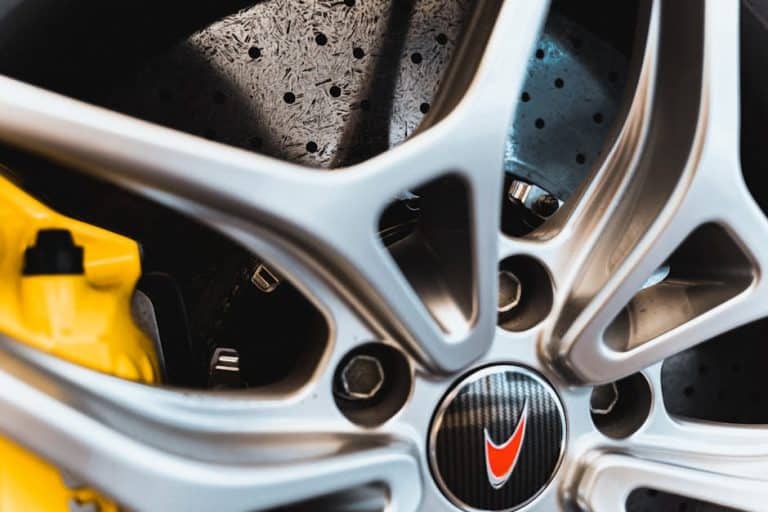
- Rotor condition (cracks, heavy lips, discoloration)
- Wheel lug torque (re-check after first session)
- Any fluid seepage at calipers and lines
- Wheel bearing play or unusual heat at hubs
Consistency comes from catching issues early—before they become downtime.
10) Lightweight wheels (where they help, and where they don’t)
Reducing unsprung mass can improve ride quality and transient response. But the biggest practical benefit for track days is often brake and tire management: lighter wheels can reduce rotational inertia and may reduce heat soak slightly depending on design.
- Actionable tip: Prioritize strength and proper fitment over extreme weight savings—track curbing and potholes are real.
11) A “two-set strategy”: street wheels + track wheels
One of the best dual-duty moves is running a dedicated track wheel/tire set.
- Benefits: Less wear on your daily tires, easier to manage pressures, and you can choose a compound optimized for track heat.
- Actionable tip: Store them clean, marked by corner (FL/FR/RL/RR) to simplify rotation and data tracking.
12) Seat time beats horsepower: invest in coaching or a data app
Power is fun, but most drivers find more lap time in braking points, lines, and smoothness. A single coaching session can deliver huge gains and improve safety.
- Actionable tip: Use a GPS lap timer app and focus on one metric per session (brake release, minimum speed at apex, or throttle application).
13) Heat management inside the cabin: small changes, big comfort
Long sessions in summer can turn a street car into a sauna. Driver fatigue is a performance limiter.
- Actionable tip: Bring water, electrolyte mix, and a small towel. If your event allows it, crack windows on cooldown laps to vent heat.
- Practical tip: Remove loose items; a rolling water bottle under the pedals is not a story you want to tell.
14) Torque wrench, not “feel”: the essential tool kit
A tiny kit prevents a big headache. Essentials:
- Tire pressure gauge and inflator
- Torque wrench + correct socket
- Brake fluid, funnel, nitrile gloves
- Basic hand tools and zip ties
This is the difference between finishing the day and calling it early.
15) Insurance and risk planning: know what’s covered
Many standard auto policies don’t cover incidents during timed competition, and track-day coverage can vary by provider and event structure. Before you go, read your policy language and ask questions.
- Actionable tip: Confirm whether the event is considered “high-performance driving education (HPDE)” and whether timing is involved.
16) EVs and hybrids: the new track-day conversation (tires and brakes matter even more)
EVs bring instant torque and impressive repeatability in short stints, but weight increases brake and tire demand. Regenerative braking helps, but you still need pad/rotor capacity for repeated heavy stops—especially on faster tracks.
- Actionable tip: Watch brake temperatures and tire wear closely; consider upgrading pads and fluid even if regen does “most” of the work on the street.
- Planning tip: If you’re tracking an EV, think about charging logistics and session spacing.
17) Budgeting realistically: what most drivers underestimate
Track days aren’t just the entry fee. The hidden costs are consumables—tires, pads, fluid, and fuel. Many drivers find that focusing on reliability and consumable life yields more track time than chasing big horsepower.
For broader context on how inflation and supply chain shifts have affected the cost of vehicles and ownership, it can be helpful to follow mainstream reporting on auto prices and market trends—resources like New York Times reporting on the automotive market can provide useful background when you’re planning a build or deciding whether to buy now or wait.
Real-world “dual-duty” setup examples (to copy and adapt)
Example A: Daily-driven hot hatch (beginner-friendly)
- Fresh high-temp DOT 4 fluid
- Track-capable pads (swap back for street)
- 200TW tires on stock wheels (start simple)
- Front camber bolts + conservative toe
- Pressure log + basic tool kit
Why it works: It addresses the most common failure points—brakes and front tire wear—without ruining comfort.
Example B: Street-driven turbo coupe (intermediate pace)
- Fluid + stainless lines + better pads
- Dedicated track wheels/tires
- Track alignment with more front camber
- Oil temp monitoring; upgrade cooling if needed
Why it works: Improves consistency across multiple sessions and protects the engine under sustained heat.
Example C: Heavier performance sedan or EV (consumables-first)
- High-temp fluid and pads designed for higher loads
- Brake cooling aids where possible
- 200TW tire with strong heat tolerance
- Strict inspection routine for hubs, tires, and brakes
Why it works: Weight magnifies heat and wear; this setup focuses on durability and predictable braking.
Conclusion: Build for repeatable laps, not just peak numbers
The best street-legal track-day prep is a system: brakes that stay firm, tires that hold consistent grip, alignment that protects your shoulders, and a routine that catches problems early. Start with the essentials (fluid, pads, tires, inspection habits), then add targeted upgrades once you’ve identified your car’s specific weak points. You’ll get more seat time, more confidence, and a car that still feels great on Monday morning.
If you’d like, share your car model, typical track, and current tire/brake setup, and we can prioritize the most effective next steps for your budget.