Modern vehicles are engineered to feel effortless: quiet cabins, smooth power delivery, and driver aids that cover up small faults before you notice them. The downside is that many of today’s most expensive issues begin as “invisible wear”—slow, subtle degradation that doesn’t trigger obvious symptoms until a component is already damaged.
At Lasco Motorsport, we see a repeating pattern: owners keep up with the basics (oil changes, tyres, the occasional brake service), yet still get hit with sudden failures—battery problems, overheating, drivability faults, premature brake wear, or electrical gremlins. The reason is rarely bad luck. It’s usually invisible wear building in systems people don’t check proactively.
This guide focuses on creative-but-real mechanical service blind spots that are trending in workshops right now: regenerative-braking misconceptions, under-bonnet heat damage, battery health vs. battery charge, and the surprising ways small vibrations and airflow restrictions turn into big repair bills.
What “Invisible Wear” Really Means (And Why It’s Increasing)
Invisible wear is deterioration that’s difficult to detect with casual driving. It often hides behind modern control systems, sound insulation, and dashboard logic. Vehicles can mask issues via adaptive fueling, electronic throttle control, stability systems, and smart charging—until the system runs out of adjustment range.
It’s also increasing because:
- Higher under-bonnet temperatures from downsized turbo engines and emissions equipment accelerate rubber and plastic ageing.
- More electrical loads (infotainment, safety sensors, heated everything) stress 12V batteries and alternator/smart-charging strategies.
- Stop-start systems increase the number of engine restarts massively over a car’s life.
- Hybrids and EV-adjacent tech change brake usage patterns and can create new corrosion/wear behaviours.
1) The Hidden Brake Problem in Hybrids: “Regeneration” Doesn’t Eliminate Wear
Hybrids and mild hybrids recover energy during deceleration, reducing reliance on friction brakes. Many owners assume brake pads and discs last “forever,” but workshops are reporting a different story: corrosion and uneven pad deposits become more common when brakes are used lightly for long periods.
What happens in the real world
In city driving, regenerative braking can do most of the work. The friction brakes may only “kiss” the disc occasionally, which sounds good—until moisture, road salt, and fine dust create a surface layer. Then you get:
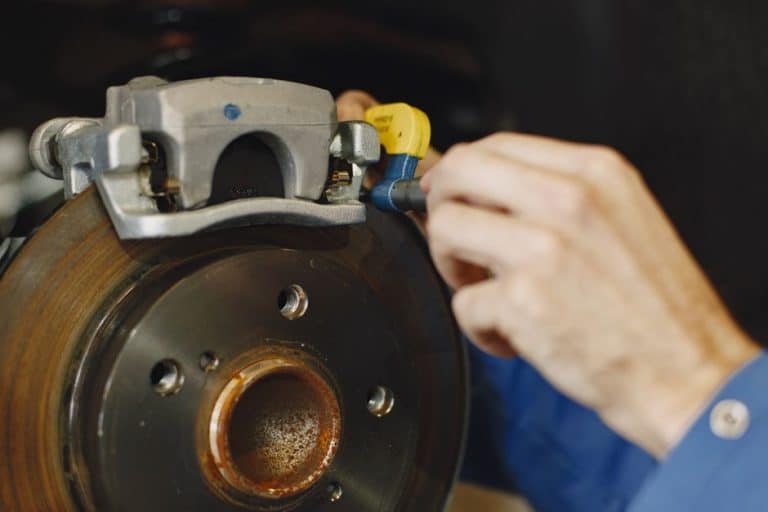
- Rust-lipping on discs (outer edge corrosion) that reduces effective contact area.
- Judder from uneven deposits that feel like warped discs.
- Sticking slide pins because calipers aren’t cycling through full movement often.
Actionable check
- Once a week (when safe), do a few firm stops from moderate speed to fully seat the pads and clean the discs. Don’t do this on wet or busy roads.
- During servicing, ask for caliper slide pin inspection and lubrication, not just pad thickness measurement.
- If you hear a light scraping after rain that doesn’t clear quickly, book a brake inspection before the corrosion becomes deep pitting.
2) Battery “State of Charge” Isn’t Battery “Health” (Especially with Stop-Start)
One of the most common “surprise” breakdowns today is a car that starts fine for weeks, then suddenly struggles, throws warning lights, or triggers stop-start faults. The hidden culprit is often a battery that is charged but unhealthy.
Why it happens
Stop-start systems can add thousands of additional start cycles per year depending on driving. Many vehicles use EFB or AGM batteries designed for cycling—but they still degrade. A battery can show 12.6V at rest (looks fine) yet have poor cold cranking capability and low reserve capacity.
What to ask your workshop to measure
- CCA (Cold Cranking Amps) test vs the battery’s rated CCA.
- Internal resistance (a strong indicator of ageing).
- Parasitic draw if the car sits unused for days.
Real-world example
A common scenario: a driver does short trips with heated screens, phone charging, and headlights. The smart alternator reduces charging under certain conditions to save fuel, so the battery never fully recovers. Over time, stop-start is disabled, then random sensor warnings appear during cranking (low voltage events), and finally the car won’t start on a cold morning. A 5-minute battery health test could have flagged it months earlier.
3) Under-Bonnet Heat Ageing: The “Rubber Tax” You Don’t Notice
Turbocharged engines, catalytic converters, DPFs, and tight engine bays run hot. Heat quietly ages:
- coolant hoses
- vacuum lines
- PCV hoses and seals
- serpentine belts
- engine mounts
Because this wear is gradual, the first symptom might be a sudden split hose, an overheating event, or an air leak that triggers lean running and misfires.
Practical inspection tip
During routine service, don’t just “look” at hoses—feel them (when cool). Brittle, overly hard hoses or those with a “crinkly” surface are warning signs. Also check for:
- coolant crust around hose joints (dried residue from minor seepage)
- oil mist around PCV lines (often indicates a cracked breather hose)
- belt glazing or fine rib cracking
4) Brake Dust Isn’t Just Messy—It’s a Mechanical Clue
Brake dust patterns can reveal alignment, caliper, and driving-style issues long before you feel them. If one front wheel is consistently darker, you could be seeing early signs of:
- dragging caliper or seized slide pins
- collapsed brake hose acting like a one-way valve
- uneven pad compound transfer from inconsistent bedding
Actionable tip
After cleaning your wheels, re-check them a week later. If one wheel accumulates significantly more dust, book a brake check. Catching a dragging brake early can prevent:
- premature pad/disc wear
- warped feel/judder complaints
- higher fuel consumption from rolling resistance
5) Micro-Vibrations: The Early Warning System for Expensive Problems
Drivers often ignore small vibrations because the car is still “drivable.” But tiny changes can be the first sign of component wear that becomes much more costly if left.
Common sources and what they mean
- Vibration under acceleration: inner CV joint wear, engine/gearbox mount deterioration, or driveshaft imbalance.
- Vibration at a specific speed: wheel balance, tyre flat-spotting, or a bent wheel.
- Vibration under braking: disc deposit variation, worn suspension bushes, or play in steering components.
Quick owner test (no tools)
- Note when it occurs: accelerating, cruising, braking, cornering.
- Note where you feel it: steering wheel, seat, floor.
- Record a short voice note on your phone right after driving with speed range and conditions.
This makes diagnosis faster, reduces “could not replicate” outcomes, and often saves money by targeting the correct area first.
6) Cabin Airflow Is a Mechanical Service Issue (Not Just Comfort)
A restricted cabin filter or clogged evaporator can cause more than poor airflow. It can contribute to:
- window fogging (humidity not being removed efficiently)
- musty smells (microbial growth on the evaporator)
- blower motor strain and noise
Many cars can go 18–24 months on a cabin filter in clean conditions, but urban driving and dusty environments can shorten that dramatically. If your fan speed “sounds high but feels weak,” it’s often filter restriction rather than a failing blower.
Actionable tip
- Replace the cabin filter at least annually if you drive in heavy traffic or dusty routes.
- Consider an evaporator clean if you get persistent odours even after a filter change.
7) The Overlooked Environmental Factor: Road Dust and Particles
Air quality and road dust affect more than your lungs—they affect your vehicle’s filters, sensors, and moving components. Recent reporting on air pollution and particulate exposure highlights how pervasive fine particles are in daily life; for broader context, see coverage and explainers from The Guardian. In automotive terms, those particulates can accelerate:
- air filter loading (reducing performance and economy)
- MAF/MAP sensor contamination (causing drivability issues)
- brake and suspension grit wear in harsh environments
Practical service adjustment
If you regularly drive on dusty roads, shorten your air filter interval. A simple check is to hold the filter up to light; if little light passes through uniformly, it’s time. Also ensure airbox seals are intact—an imperfect seal can bypass filtration entirely.
How to Build an “Invisible Wear” Service Plan (Without Over-Servicing)
The goal isn’t to replace parts early; it’s to measure condition and correct small issues before they cascade. A smart plan is:
- Every service: battery health test (CCA/internal resistance), brake visual + slide pin condition check, tyre wear pattern check.
- Every 12 months: cabin filter replacement, cooling system hose inspection by feel, belt inspection, alignment check if you’ve hit potholes/kerbs.
- When symptoms appear: scan for stored codes even if no warning light is on, and diagnose vibrations early.
Ask your mechanic for a quick “risk list” ranked by safety and potential cost impact. That helps you prioritise: for example, a dragging brake or coolant seep is typically more urgent than a mild cabin odour.
Conclusion: Catch the Quiet Problems Before They Get Loud
Invisible wear is the new normal in modern motoring. Vehicles are more capable than ever, but they’re also more sensitive to heat, electrical health, airflow restriction, and corrosion patterns that aren’t obvious day-to-day. By focusing on condition-based checks—battery health testing, brake hardware inspection, hose and belt ageing, airflow maintenance, and early vibration diagnosis—you can prevent many of the sudden failures that feel like they came out of nowhere.
If you want your car to stay reliable (and predictable), treat subtle changes as useful data. The best time to fix a small problem is when it’s still small—and still affordable.