9 Smart Mechanical Service Checks for Track-Day & Performance Cars (That Prevent Expensive Failures)
Performance cars live a double life: daily driving one day, high-heat, high-load track work the next. That combination creates unique failure patterns most “standard service” checklists don’t catch early enough. At Lasco Motorsport, we see the same issues repeatedly—small warning signs that turn into big bills if ignored.
Below is a practical, track-focused mechanical services checklist you can actually use. Each item includes what to inspect, what “good” looks like, and a real-world example of how it saves money (and sessions).
1) Heat-Soak Baseline: Scan Temperatures After a Hot Shutdown
Many issues don’t show up while you’re moving—they appear when the car is heat-soaked in the pits. A simple but underused service step is to capture a “hot shutdown baseline.”
-
What to do: After a spirited drive or track session, shut the engine off and immediately scan key points with an infrared thermometer: radiator inlet/outlet tanks, upper/lower coolant hoses, brake calipers, wheel hubs, intercooler end tanks (if applicable), and under-hood areas near wiring.
-
What to look for: One corner much hotter than the others (often a dragging brake), a single coolant hose significantly cooler/warmer than its partner (flow restriction), or hotspots near loom connectors (risk of insulation breakdown).
-
Real-world example: A car that “felt fine” on track repeatedly boiled coolant in traffic after sessions. The hot shutdown scan showed a large temperature mismatch across the radiator, pointing to internal blockage—replacing the radiator solved the issue before a head gasket failure.
2) Brake Fluid Boiling-Point Strategy (Not Just “Fresh Fluid”)
Track braking turns fluid into a consumable. Instead of a generic “flush annually,” use a boiling-point strategy.
-
What to do: Choose fluid based on your use (street + occasional track vs. frequent track). Bleed before events and check pedal consistency session-to-session. If your pedal goes long late in a session, treat it as data.
-
Actionable tip: Track drivers often benefit from a quick caliper bleed (just a few pumps per corner) between events, not necessarily a full system flush every time. But if the fluid looks dark or the pedal changes, flush it.
-
Data point: Even a small percentage of absorbed moisture can reduce brake fluid boiling performance dramatically under sustained heat. That’s why fluid that feels “okay” on the road can fail under repeated hard stops.
3) Rotor & Pad “Heat Map” Reading: Diagnose Hardware by Wear Patterns
Your brakes leave clues. A mechanical service that includes “reading” rotors and pads can identify caliper issues before they become unsafe.
-
What to check: Pad taper (one end thinner), glazing (shiny, hardened surface), rotor cracking, and uneven deposits.
-
What it means: Pad taper may indicate caliper slide pin problems, flex, or improper bedding. Patchy rotor coloration can point to uneven transfer layers or a sticking piston.
-
Real-world example: A customer complained of steering shake under braking and assumed “warped rotors.” Inspection showed uneven pad deposits caused by overheating and inconsistent bedding—re-bedding and correcting cooling/ducting solved it without replacing parts prematurely.
4) Hub, Bearing & Stud Fatigue: The Track-Day Triangle
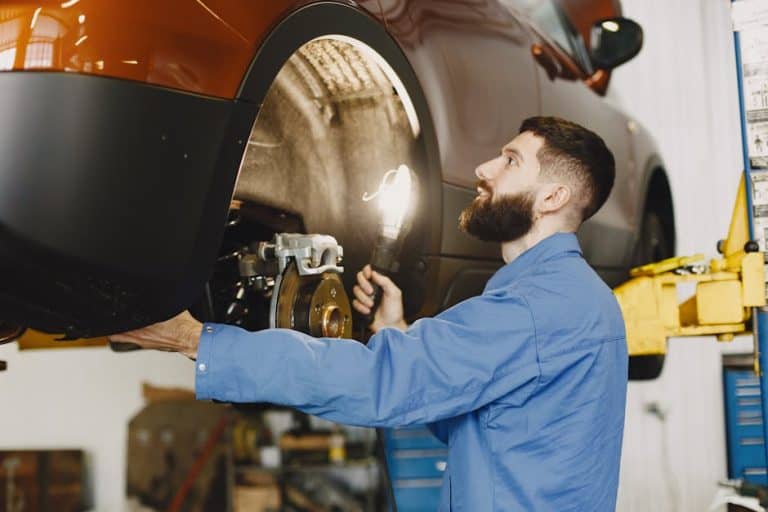
Track use multiplies stress at the wheel end: lateral loads, heat, and repeated wheel removal. A smart service plan treats hubs, bearings, and studs as a system.
-
What to do: With the car safely lifted, check for play (12-and-6 and 9-and-3 wiggle), spin for roughness/noise, and inspect stud threads for stretching or galling.
-
Actionable tip: Torque wheels with a calibrated torque wrench and re-check after the first session (or 20–30 miles of spirited driving). If you change wheels often, consider upgraded studs and nuts suited to repeated cycles.
-
Real-world example: A track car that “ate” front tires also had subtle hub play—once the bearing was replaced, alignment stayed consistent under load and tire wear improved.
5) Underbody Aero & Fastener Audit: The “Missing Clip” Problem
Splitters, undertrays, liners, and ducting improve cooling and stability—until a single missing fastener turns them into air brakes or debris collectors.
-
What to do: During service, physically tug-test undertrays and inspect all mounting points. Look for torn holes, cracked tabs, and heat damage near exhaust routing.
-
Actionable tip: Use paint-pen torque marks on critical fasteners (undertray, caliper bolts, suspension eccentrics). A quick glance shows if anything has moved.
-
Real-world example: A loose undertray caused rising coolant temps at speed because airflow was diverted away from the radiator. Replacing clips and sealing gaps restored stable temperatures.
6) Alignment “After” Data: Don’t Leave Without a Printout
Track alignment isn’t just about setting camber once—it’s about monitoring drift over time. If you’re serious, treat alignment as a diagnostic tool.
-
What to ask for: A before-and-after alignment printout, with ride height notes if possible.
-
What to look for: Unexpected changes can indicate bushing wear, bent components, or slipping eccentrics. A small toe change can create big tire temperature differences across a tread.
-
Real-world example: A car kept pulling right after “perfect” alignments. The printouts showed the numbers drifting back after each event—inspection found a worn control arm bushing allowing movement under load.
7) Oil Analysis for Performance Engines: A Lab Test That Pays for Itself
If you track your car, oil analysis is one of the most cost-effective ways to spot engine wear early—before it becomes a rebuild.
-
What to do: Send a sample to an oil analysis lab at regular intervals (e.g., every 2–3 track events or at each oil change, depending on use). Compare trends, not one-off results.
-
What you learn: Elevated iron can indicate cylinder/valvetrain wear; copper can suggest bearing wear; fuel dilution points to tuning or injector issues; coolant traces can indicate gasket problems.
-
Actionable tip: Pair analysis with a consistent oil type and interval so the data stays meaningful.
8) Cooling System Pressure & Cap Testing: The Overlooked “Cheap Part”
Many overheating complaints aren’t caused by the thermostat or water pump—they’re caused by pressure control. The radiator cap (or expansion cap) is a small part with a big job.
-
What to do: Pressure-test the cooling system and test the cap to verify it holds the rated pressure. Inspect for dried coolant residue at hose junctions and around the radiator end tanks.
-
Why it matters: Proper system pressure raises the boiling point of coolant. A weak cap can trigger boil-over during hot shutdown, especially after track sessions.
-
Extra insight: Heat management matters beyond engines—globally. For context on how temperature and climate extremes affect mechanical systems and everyday life, resources like National Geographic’s climate and environment coverage are a useful way to understand the broader forces behind rising ambient temps many drivers now experience at summer events.
9) Data-Logging “Sanity Checks”: Use Simple Metrics to Catch Complex Problems
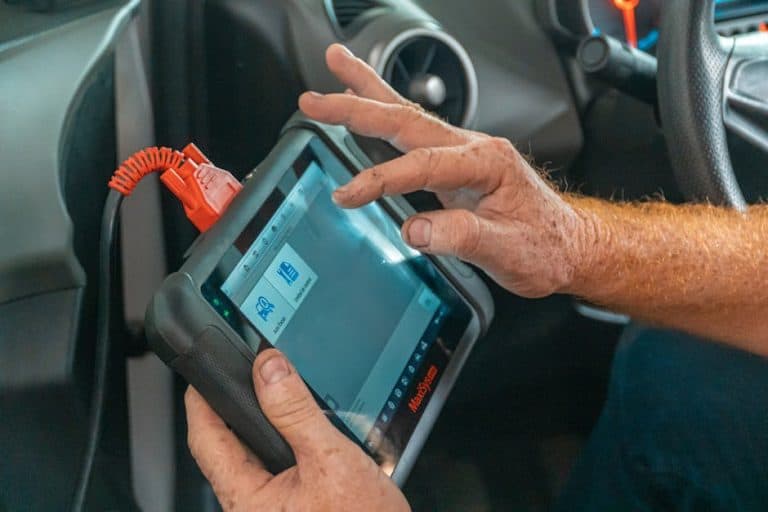
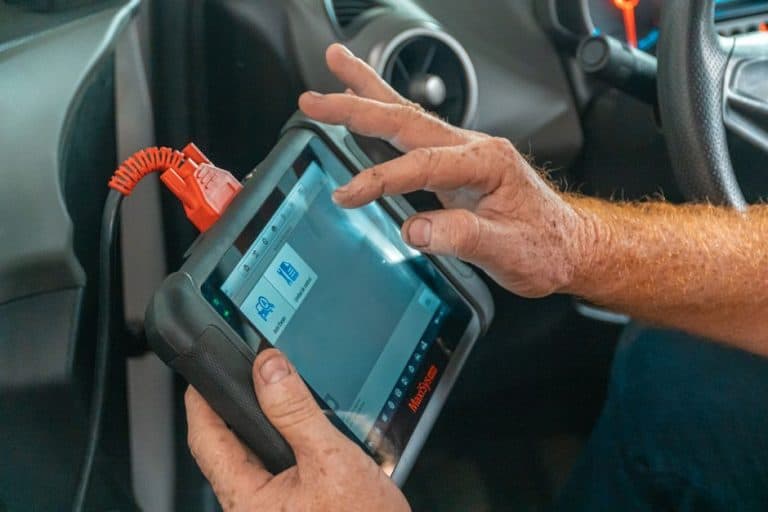
You don’t need a full race engineer setup to get value from logging. Even basic OBD data can reveal issues traditional inspections miss.
-
What to log: Coolant temp, intake air temp, oil temp (if available), ignition timing (knock response), fuel trims, and throttle position. If you have a wideband, log AFR too.
-
What to look for: Repeated timing pull at similar RPM/load suggests knock or heat soak. Rising fuel trims can hint at intake leaks. Intake temps that spike and stay high can signal intercooler heat saturation or airflow issues.
-
Real-world example: A car felt slower session-by-session. Logs showed intake air temps climbing steadily and timing being pulled. A simple fix—restoring proper duct sealing and cleaning debris from the heat exchanger—brought power consistency back.
Conclusion: Build a Service Routine That Matches How You Drive
Performance driving is harder on components, fluids, and fasteners than most maintenance schedules assume. The good news is you don’t need mystery parts swaps—just smarter checks that focus on heat, load, and repeatability. Start with the items above, keep notes (temps, torque checks, alignment printouts, oil results), and you’ll turn maintenance into an advantage: more reliable sessions, fewer surprise failures, and better performance per dollar.
If you want, Lasco Motorsport can help you convert this checklist into a tailored pre-track inspection and post-event service plan based on your car, tire choice, brake package, and typical track conditions.