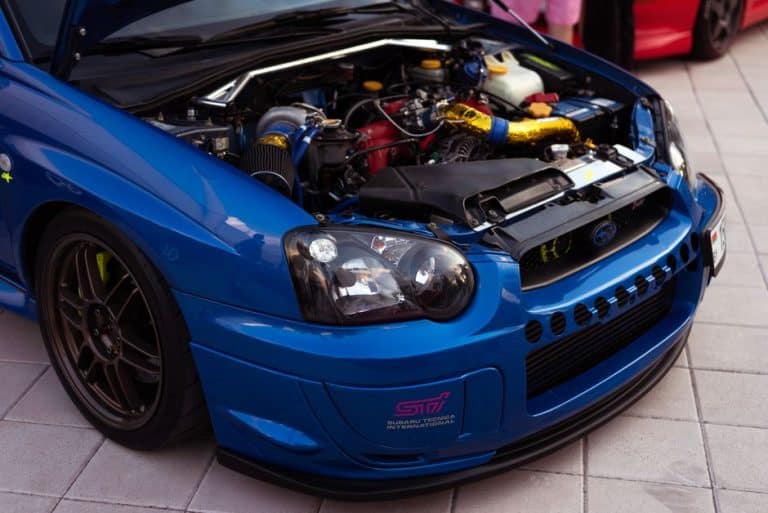
Why “budget track prep” is trending (and what actually works)
More drivers than ever are taking daily-driven cars to HPDEs, autocross, and open lapping days—then discovering a hard truth: the fastest “mods” are often the least glamorous. Social feeds love big turbos and widebody kits, but most weekend warriors gain more time (and safety) from brakes, tires, fluids, alignment, and driver process than from chasing horsepower.
This roundup focuses on specific, high-leverage upgrades and habits that make a real difference without turning your car into an unreliable science project. Each item includes actionable tips and real-world context so you can build a track plan that fits your budget and goals.
Roundup: 13 upgrades & habits that move the needle
1) Start with a “heat budget,” not a parts list
Track performance is mostly heat management: brakes heat up, tires heat up, oil and coolant heat up, and drivers heat up. Before buying anything, define your heat budget:
- Session length: 15–20 minutes vs. 30 minutes changes needs dramatically.
- Car weight: heavier cars consume pads/tires faster and heat brakes sooner.
- Power level: more speed = more braking energy and higher tire temps.
Actionable tip: Write down three constraints—max session length, desired pace (novice/intermediate/advanced), and whether you must drive the car home. Your purchases should support those constraints first.
2) Track-capable brake fluid: the cheapest confidence boost
Boiled fluid is one of the most common first-track failures, and it can happen even with “good pads.” A quality high-temp fluid (and a proper bleed) often transforms pedal feel and consistency.
- Flush thoroughly before your first event and again mid-season if you track often.
- Bleed after each event if the pedal goes long or you see darkened fluid.
Real-world note: Many newcomers report “brake fade” when it’s actually fluid boiling. Fluid is low-cost compared to rotors and calipers—and it’s foundational for safety.
3) Pads matched to your pace (and a realistic rotor plan)
Track pads aren’t just “more aggressive”—they’re designed to work at higher temperatures. The wrong compound can crumble, glaze, or eat rotors. Budget planning includes rotors as consumables.
- Dual-duty compromise: If you drive to the track, choose a pad known for manageable noise/dust but adequate heat capacity for your weight and speed.
- Bring spares: If you’re unsure, bring an extra set of front pads for your first two events.
- Rotor reality: Expect quicker rotor wear once you step into true track compounds.
Actionable tip: Measure pad thickness before and after each day; log it. A simple wear rate (mm per track day) makes your budget predictable.
4) The underrated mod: an alignment that respects tire temperature
Most street alignments prioritize tire life and stability, not repeated high-load cornering. A mild track-friendly alignment can reduce outside-edge tire destruction and improve turn-in.
- Front camber: As much negative camber as your factory adjustability allows, within reasonable street drivability.
- Toe: Minimal toe for stability and tire life; tiny toe-out can sharpen response but can increase tire wear.
Real-world example: Drivers often “cord” the outer shoulders of front tires on FWD and heavy AWD cars. Adding negative camber frequently doubles usable track life on the front axle.
5) Tire pressure is a tuning tool—log it like data, not vibes
Pressure management is a free lap-time tool. Overinflated tires overheat and slide; underinflated tires can feel vague and generate excess shoulder heat.
- Check pressures cold, then immediately after coming off track.
- Make changes in small steps (1–2 psi) and test one end of the car at a time.
- Use chalk on sidewalls to see rollover and adjust accordingly.
Actionable tip: Create a “hot pressure target” for your tire model and stick to it. The goal is consistency session-to-session, not chasing a magic number.
6) “200-treadwear” isn’t a guarantee—choose tires for your climate and car
Extreme performance summer tires (often marketed around 200 treadwear) have become the default track-day choice, but they behave very differently across brands and temperatures.
- Hot climates: Some popular 200TW tires can get greasy when overheated.
- Cool mornings: Others struggle to generate grip until warm.
- Heavy cars: Tire selection matters more because heat builds faster.
Actionable tip: If you’re new, prioritize a tire known for predictable breakaway and heat tolerance over ultimate peak grip. A tire you can read is faster than a tire that surprises you.
7) Brake cooling: DIY-friendly and shockingly effective
If you’re repeatedly cooking front brakes, targeted airflow can be more effective than jumping to larger calipers. Simple ducting or backing-plate solutions help delay fade and extend pad/rotor life.
- Focus on getting air to the center of the rotor hat (not just the face).
- Inspect after each day—ducting can rub tires or tear at full steering lock.
Budget logic: Spending modestly on cooling can save you money on consumables over the season.
8) Fluids and filters: make “boring” your performance strategy
Heat and sustained high RPM punish old oil, marginal coolant, and neglected filters. The goal isn’t exotic fluids—it’s freshness and consistency.
- Oil: Change before a major event weekend; monitor level more often than you would on the street.
- Coolant: Verify concentration and consider track-appropriate coolant strategy where allowed.
- Air filter: A clean filter maintains repeatable power; many “high-flow” filters don’t help if they’re dirty or poorly sealed.
Actionable tip: Track days can consume oil. Check at every fuel stop, and don’t start a session near the minimum mark.
9) Seat time with structure: the “one change per session” rule
Chasing setup without a plan leads to confusion. Use a simple experiment method:
- Change only one variable per session (pressures, brake bias setting, damper clicks, etc.).
- Run a consistent warmup lap routine and cooldown lap routine.
- Write one sentence after each session: “What limited me?”
Real-world example: Many intermediate drivers get faster simply by repeating the same braking markers and focusing on exit speed—not by adding parts.
10) Use data lightly: lap timer + notes beat expensive telemetry (at first)
You don’t need pro-level telemetry to improve. A basic lap timer app and a notebook often deliver 80% of the benefit.
- Track consistency (variance) rather than only best lap.
- Mark “traffic laps” so you don’t chase misleading times.
- Use video to confirm lines and braking points.
Actionable tip: If you add one sensor, start with tire pressure/temperature checks (even a simple probe) and brake pad thickness measurements. That’s actionable data.
11) Fuel strategy: don’t starve the pump in long corners
Some cars experience fuel starvation below a certain tank level during sustained cornering. It can feel like misfire or hesitation and can be dangerous for engines under load.
- Start sessions with more fuel than you think you need.
- Watch for repeatable hesitation in the same corners.
- Research known platform fixes: surge tanks, pump upgrades, or baffled solutions.
Actionable tip: If your platform is known for starvation, treat “half tank” as empty on track until proven otherwise.
12) Noise limits and event rules: plan before you buy exhaust parts
Many tracks enforce strict sound limits, and getting black-flagged can ruin your day. Before spending on an exhaust, check local track dB rules and how they’re measured (distance, angle, static vs. drive-by).
- Choose solutions that can be quieted (removable silencer, valved systems, resonators).
- Have a backup plan (turn-down tip, bolt-in muffler section).
Resource idea: If you want broader context on how transportation and vehicles are evolving—impacting regulations, noise conversations, and market trends—browse reporting and explainers at The New York Times.
13) Consumables budgeting: the “cost per track day” worksheet
Track driving becomes sustainable when you can predict costs. Create a simple worksheet with:
- Tires: purchase price / expected track days
- Pads: front + rear price / expected track days
- Rotors: price / expected track days (or events)
- Fluid: cost per flush / number of events between flushes
- Fuel: gallons per day x local price
Actionable tip: After each event, update your actual wear rates. Within 2–3 events, you’ll have a realistic per-day number, which helps you decide whether a pricier tire that lasts longer is actually cheaper in the long run.
Quick “first track day” checklist (budget-friendly essentials)
- Fresh high-temp brake fluid + confirmed firm pedal
- Pad thickness measured and recorded
- Torque wrench + correct socket; torque lug nuts before first session
- Pressure gauge + portable inflator
- Basic tools, painter’s tape for numbers, and a notepad
- Helmet that meets event requirements
- Extra engine oil and water
Conclusion: Build speed with systems, not just parts
Fast, repeatable lap times come from a car that stays consistent over an entire session—and a driver who makes changes with intention. If you’re prepping on a budget, prioritize brake fluid, pads, tires, and alignment, then layer in cooling and data habits as your pace rises. Treat consumables as part of the plan, keep logs, and you’ll spend less money chasing problems and more time doing what matters: driving.