Why this roundup matters (and why it’s not “just another maintenance list”)
Most mechanical service advice is built around average commuting: gentle heat cycles, predictable road conditions, and long gaps between hard stops. But if your car lives a “dual life” — weekday street duty and weekend spirited driving, autocross, canyon runs, towing, or track days — the wear patterns look totally different. Heat, vibration, repeated high-load braking, and rapid temperature swings expose problems earlier and in less obvious ways.
This roundup collects practical, shop-floor tips you can actually use to keep performance-minded street cars reliable. Think of it as a checklist for the kinds of failures that don’t show up on a standard service menu: heat-soaked brakes, fluid fade, bushing creep, wheel bearing noise that appears only hot, and “mystery vibrations” caused by small alignment changes under load.
1) Build a “two-tier” service schedule: street intervals vs. high-load intervals
One of the most useful mindset shifts is separating your service plan into two intervals:
- Street interval (normal mileage/time): oil changes, cabin filters, basic inspections.
- High-load interval (events/hours): brake fluid, pad thickness, torque checks, tire inspections, and underbody fastener checks.
Actionable tip: track your hard-use time. A simple note like “2 track sessions + 300 spirited miles” is more meaningful than mileage alone for brakes and fluids.
2) Treat brake fluid like a performance part, not a lifetime fill
Brake fluid is hygroscopic (it absorbs moisture), and moisture lowers boiling point. In high-load driving, fluid can boil, causing a long pedal or sudden fade. Even on the street, repeated downhill braking or towing can elevate caliper temperatures.
- Street-focused cars: consider a brake fluid flush every 2 years (or sooner if the pedal feel changes).
- Track/spirited use: flush more frequently (often every few events depending on heat exposure).
Quick check: if your pedal firms up when cool but gets longer after repeated stops, you may be nearing fluid limits or dealing with pad knockback.
3) Brake dust tells a story: learn what “normal” looks like for your setup
Brake dust isn’t just cosmetic. It can reveal uneven pad transfer, dragging calipers, or one corner doing more work than the others.
- One wheel much dirtier: possible sticking caliper slide pin, seized piston, or collapsed hose.
- Dust suddenly increases after pad swap: bedding may be incomplete, or the compound is too aggressive for your street use.
- Dust + vibration under braking: could be uneven pad deposits (often mislabeled as “warped rotors”).
Real-world example: If your front-left wheel is consistently darker after identical drives, that corner may be dragging slightly — something that can overheat the rotor and shorten bearing life over time.
4) Don’t just measure brake pads — measure taper
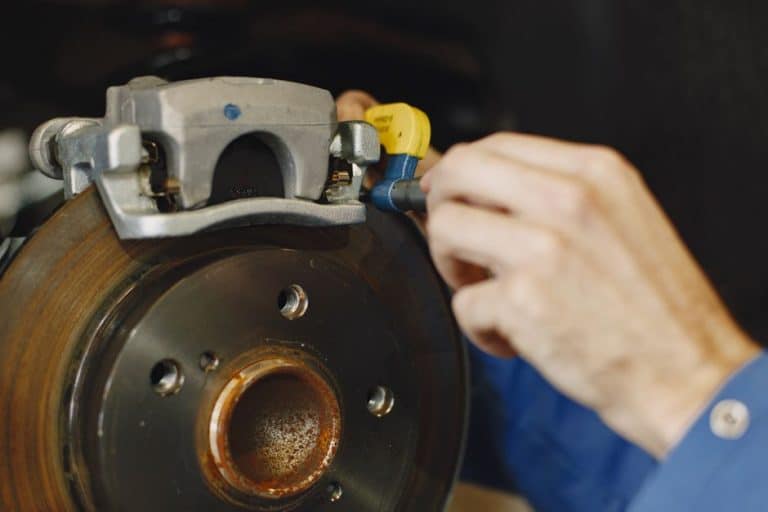
Many drivers check “pad thickness” and stop there. But taper (one end of the pad thinner than the other) is a common performance and safety issue.
- What it points to: caliper alignment issues, seized slide pins, worn bushings, or caliper bracket flex under heat.
- How to check: pull pads and compare inner vs. outer and leading vs. trailing edges. A small amount can be normal; pronounced taper deserves investigation.
Actionable tip: if you regularly run hard, add a pad-taper check to your pre-event inspection. Catching it early can prevent uneven braking and expensive rotor damage.
5) Heat soak is the silent killer of “perfectly fine” components
Heat soak is when heat from the engine, brakes, and exhaust migrates into nearby components after a hard run. Problems often appear in the 10–30 minutes after you park.
- Symptoms: hot-start issues, intermittent sensor faults, soft brake pedal after a cooldown lap, or odd idle behavior.
- Mechanical angle: rubber hoses, plastic connectors, coil packs, and wiring insulation are often the first to suffer.
Actionable tip: after any high-load drive, pop the hood and let heat escape before shutting down for the day (where safe). It can reduce under-hood heat saturation.
6) Torque checks are not optional when vibration is the complaint
Wheel lug torque, suspension fastener torque, and brake hardware torque matter more than most people realize — especially after wheel swaps, brake jobs, or track days. A small loosening can become a big issue quickly.
- When to re-torque: after installing wheels, after first heat cycle, and periodically during event days.
- What to look for: elongated bolt holes, shiny witness marks around fasteners, or a change in steering feel under braking.
Pro tip: use a torque wrench and follow a star pattern. “Impact-gun tight” is not a spec.
7) Alignment for “fast street” is different than alignment for “quiet street”
Some alignment settings that make a car feel stable and responsive can also increase tire wear if you commute long distances. The key is to decide what you value most and set a realistic compromise.
- More negative camber can protect tire shoulders during hard cornering but may wear inner edges faster.
- Toe settings drastically affect stability and wear. Even small toe changes can scrub tires quickly.
Actionable tip: ask your shop for printouts and keep them. Comparing “before vs. after” helps diagnose whether handling changes are tire-related or alignment-related.
8) Use tire temperatures and wear patterns as a diagnostic tool
You don’t need professional motorsport equipment to learn from your tires. Even a simple tread depth gauge can reveal a lot.
- Outer edge wear often suggests insufficient camber or underinflation for the load.
- Center wear often points to overinflation.
- Feathering can indicate toe issues or worn suspension components.
Real-world example: If the front tires feather after a single weekend of aggressive driving, toe may be shifting under braking due to worn control arm bushings — something that might not show up during a quick visual inspection.
9) Listen for “hot-only” wheel bearing and CV joint clues
Some bearing noise doesn’t show up until parts expand with heat. A bearing might be quiet cold and noisy hot, or only during long sweeping turns.
- Wheel bearing hint: humming that changes when you gently load/unload the car left/right.
- CV joint hint: clicking under acceleration while turning, often more noticeable after heat builds.
Actionable tip: when diagnosing, note temperature and conditions. “Only after 30 minutes of highway driving” is a powerful clue for a technician.
10) Small oil changes matter: consider used oil analysis for pattern tracking
If you’re serious about reliability, a used oil analysis can help detect trends: rising wear metals, coolant contamination, or fuel dilution. It’s especially useful for turbocharged engines, direct injection setups, and vehicles that see repeated heat cycles.
- Good use case: comparing results across 2–3 oil changes to see trends, not just one snapshot.
- Actionable tip: take samples consistently (same interval, similar driving mix) to make results meaningful.
11) Plan your parts strategy around supply-chain reality
One overlooked mechanical-service trend is that parts availability can impact downtime. If your car is both transport and hobby, waiting weeks for a specialty component is painful.
- Keep spares: a set of front pads, a brake fluid bottle, a serpentine belt, and common sensors can save a weekend.
- Order ahead: if an inspection shows 30% pad life and you have an event in a month, order now.
Broader reporting on the way shortages and logistics have affected vehicle ownership costs has been covered by major outlets, including The New York Times, and it’s a reminder that “just fix it later” isn’t always practical anymore.
12) Create a “post-event” inspection routine you can do in 20 minutes
Consistency beats complexity. Here’s a quick routine many enthusiasts follow after hard use:
- Wheels/tires: inspect for cuts, bubbles, cords, and abnormal wear; check pressure when cold next day.
- Brakes: look through wheels for pad thickness; check for cracking or heavy grooving on rotors.
- Fluids: check brake fluid level, engine oil level, and look for new leaks under the car.
- Underbody glance: check for fresh scrapes, loose undertrays, or dangling clips.
- Listen test: on the next drive, note any new clicking, humming, or steering wheel shake.
Actionable tip: keep a simple checklist on your phone. If you write down one change each time, you’ll spot patterns long before they become failures.
Conclusion: Mechanical service that matches how you actually drive
Performance-minded driving doesn’t have to mean unreliable driving. The trick is to service the parts that heat, flex, and wear differently under load — brake fluid, pads, suspension bushings, wheel bearings, and alignment settings — and to track “events and heat cycles” alongside mileage.
If you want your car to feel sharp on the weekend and calm on Monday, adopt the two-tier schedule, learn the clues in brake dust and tire wear, and make quick inspections a habit. The payoff is fewer surprises, more confidence, and a car that stays enjoyable for the long run.