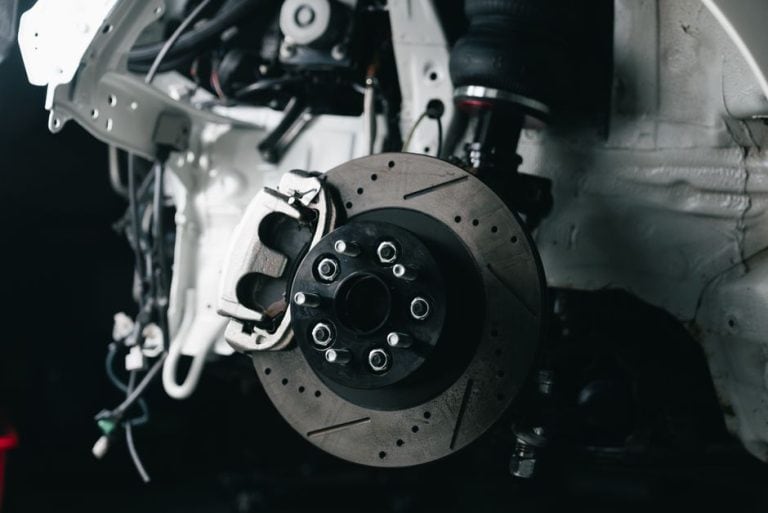
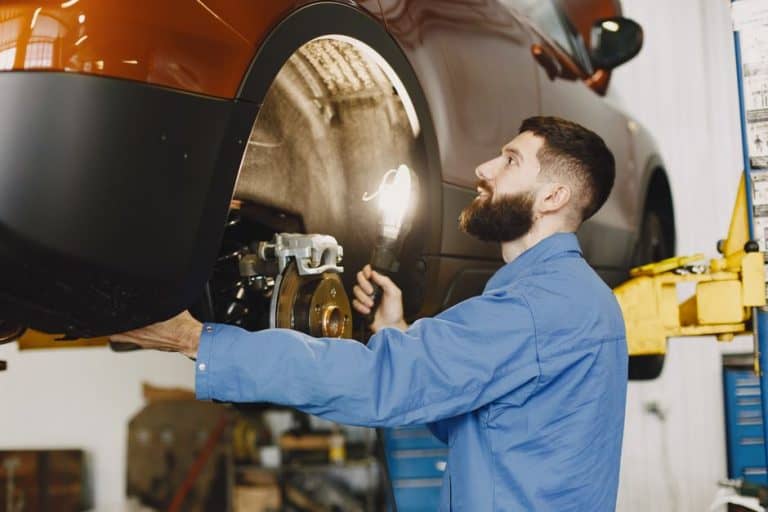
Why are brake dust, squeal, and vibration suddenly such a big topic in mechanical services?
Brake complaints have evolved. It’s no longer just “my brakes feel weak.” Drivers increasingly report:
- Persistent brake dust that quickly blacks out wheels
- Squeal at low speeds (especially reversing or creeping in traffic)
- Steering wheel vibration under braking that feels like “warped discs”
- Inconsistent pedal feel after a pad/rotor replacement
These issues are trending for a few practical reasons: modern vehicles are heavier, traffic is stop-start, and many drivers are keeping cars longer—meaning more brake cycles and more chances for noise/vibration to appear. At the same time, brake material choices are changing (for performance, comfort, and environmental considerations), which affects dust, sound, and feel.
What exactly is brake dust, and is it harmful or just annoying?
Brake dust is a mix of tiny particles produced as the pad and rotor wear against each other. It often includes:
- Friction material (from the pad)
- Rotor material (usually iron-based particles)
- Road grime and micro-debris that stick to the wheel surface
For most drivers, the first problem is cosmetic—wheels go from clean to dirty within days. But dust is also a maintenance issue: it can bake onto wheels (especially on hot days or after spirited driving) and become harder to remove. If left long enough, it can pit or stain certain wheel finishes.
On the broader environmental and health conversation, brake and tyre particles are increasingly discussed as sources of non-exhaust emissions. For a general overview of how non-exhaust emissions are being scrutinized, see reporting from BBC News.
Which brake pad types produce the most dust—and which are typically cleaner?
While specific results vary by brand and compound, pad categories tend to behave like this:
- Organic (NAO): Usually quieter and gentler on rotors. Often moderate dust, sometimes darker and sticky. Heat tolerance can be lower.
- Semi-metallic: Often strong bite and heat handling, commonly used for performance and towing. Typically more dust and can be noisier.
- Ceramic: Frequently marketed as “low dust” and quiet. Dust can be lighter in colour (less noticeable). Not automatically “better,” but often a good comfort-focused choice for daily driving.
Actionable tip: Ask for a pad recommendation based on your driving pattern (motorway commuting vs. city stop-start vs. spirited weekend driving) rather than simply choosing “the cheapest” or “the performance” option. The wrong compound for your use case is a common cause of dust and noise complaints.
If my brakes squeal only at low speed, does that mean they’re failing?
Not necessarily. Low-speed squeal can be caused by vibration in the pad/rotor/caliper system, even when braking performance is acceptable. Common triggers include:
- Glazing (pad surface hardens/shines from overheating or gentle braking over long periods)
- Improper bedding-in after new pads/rotors (friction transfer layer not established evenly)
- Lack of lubrication at pad backing plates/contact points (using correct high-temp brake grease)
- Worn or missing anti-rattle hardware (springs, shims, clips)
- Cheap pad compound with poor NVH (noise, vibration, harshness) behaviour
Real-world example: A driver may install new pads, then spend the next week doing only gentle, short trips. The pads never reach stable operating temperature, and the transfer layer develops unevenly—leading to squeal and sometimes a slightly “grabby” feel at parking-lot speeds.
Is “warped discs” the real cause of brake pedal pulsation and steering vibration?
In many cases, what drivers call “warped discs” is actually disc thickness variation (DTV) or uneven pad material transfer. This can create a pulsing sensation as the pads pass over high/low spots during braking.
Common reasons include:
- Over-torqued or unevenly torqued wheel nuts (can distort the rotor hat and contribute to DTV over time)
- Hot brakes held at a stop (e.g., heavy braking then sitting at a light with the pedal clamped—can imprint pad material)
- Corrosion between rotor and hub causing rotor runout
- Hub or bearing play exaggerating vibration
Actionable tip: If you’ve had vibration after a recent tyre/wheel service, ask your mechanic whether wheel nuts were torqued using a calibrated torque wrench to the manufacturer specification. Impact guns without final torque checking are a surprisingly frequent contributor.
What is “bedding-in” (burnishing), and how can I do it correctly?
Bedding-in is the process of gradually bringing new pads and rotors into proper working condition by creating an even friction transfer layer. Correct bedding helps reduce noise, improves bite consistency, and can reduce future vibration risk.
A safe, general approach (always follow the pad manufacturer’s procedure if provided):
- Find a safe, open road with minimal traffic.
- Do 8–10 medium stops from roughly 60 km/h down to 10–15 km/h, allowing a short roll between stops (don’t fully stop and hold the pedal).
- Then do 2–3 firmer stops (not ABS-panic level) to bring the system closer to operating temperature.
- Drive for 5–10 minutes with minimal braking to allow gradual cooling.
Key mistake to avoid: Doing one hard stop and immediately sitting stationary with the brake pedal pressed. That can create a “hot spot” and uneven transfer—one of the pathways to judder.
Can wheel cleaning habits actually reduce brake dust buildup and wheel damage?
Yes. Cleaning technique matters almost as much as frequency. Brake dust can bond to hot wheels and become stubborn. To keep wheels in good condition:
- Clean when wheels are cool (not immediately after driving).
- Use pH-balanced wheel cleaners for routine washes; harsh acids can dull clear coat over time.
- Use a soft wheel brush and separate wash tools from paintwork to avoid grit scratches.
- Apply a wheel sealant (or ceramic coating) to make dust easier to rinse off.
Quick data point: In real-world workshop experience, wheels with a good sealant often need less agitation to clean, reducing the chance of swirl marks and finish wear—especially on gloss black and diamond-cut finishes where defects show quickly.
How do I choose pads and rotors for my driving style without overpaying?
Think in terms of operating temperature and priorities:
- Urban commuting: Prioritise low noise and low dust (often quality ceramic or comfort-focused compounds).
- Motorway heavy use: Stable braking and low fade; comfort pads can work well, but choose reputable brands.
- Towing / heavy loads: Heat capacity matters—semi-metallic or heavy-duty formulations may be appropriate.
- Spirited driving: Choose performance-oriented pads with higher temperature range, but accept that dust and noise can increase.
Actionable tip: Ask for the exact pad/rotor part numbers and compound type in your quote. “Premium pads” can mean very different things. Knowing the compound lets you compare apples to apples.
What workshop checks reduce comebacks for noise and vibration after a brake job?
If you’re booking a brake service, these steps (when done correctly) significantly reduce the chance of squeal or pulsation returning:
- Hub face cleaning: Remove rust scale so the rotor sits flush; even tiny debris can cause runout.
- Measure rotor runout: Dial indicator checks catch issues before the car leaves.
- Inspect/replace hardware: Clips and shims wear; reusing fatigued hardware invites noise.
- Caliper slide service: Clean and lubricate slide pins with correct grease; seized pins cause uneven wear.
- Correct torque procedures: Wheels torqued to spec in a star pattern; avoid uneven clamping force.
- Brake fluid health check: Old fluid can boil under heat, causing soft pedal feel; consider periodic replacement.
Real-world example: Two vehicles can receive the same pads and rotors. The one that had the hub faces cleaned and runout measured often leaves with smooth braking; the one that didn’t may come back with “brand new brakes but it shakes.” Process matters.
When should brake dust or noise be treated as a safety issue?
Seek mechanical inspection promptly if you notice:
- Grinding (metal-on-metal sound), especially if it worsens quickly
- Pulling to one side when braking (possible caliper issue or uneven friction)
- Brake warning light or very low pedal
- Burning smell or smoke after normal driving (possible seized caliper)
- Vibration accompanied by reduced stopping confidence
Dust and squeal alone may be comfort issues, but they can also be early indicators of hardware wear, incorrect installation, or caliper problems. It’s always cheaper to address causes early than to replace rotors, pads, and possibly calipers later.
Conclusion: What’s the most practical way to get cleaner, quieter brakes long-term?
Cleaner, quieter braking is rarely about a single “miracle” part. It’s about matching the friction material to your driving style, ensuring correct installation procedures, and maintaining the system (hardware, lubrication, hub cleanliness, and torque discipline). If brake dust, squeal, or vibration is bothering you, the fastest path to a lasting fix is a structured diagnosis—pad compound, bedding-in, runout checks, and caliper/hardware condition—rather than repeatedly swapping parts at random.
For drivers who care about comfort and wheel cleanliness, a quality low-dust compound plus correct bedding-in and regular, gentle wheel care often delivers the best real-world results.