What is LSPI, and why is everyone in mechanical services talking about it?
Low-Speed Pre-Ignition (LSPI) is a combustion event that can happen in modern turbocharged, direct-injection petrol engines—often at low RPM and high load. Instead of the spark plug igniting the air-fuel mix at the planned time, part of the mixture ignites early. That early “pre-ignition” can create a violent pressure spike inside the cylinder.
Why it’s trending: many newer vehicles have smaller “downsized” turbo engines designed to deliver strong torque at low revs. That driving style (low RPM + lots of throttle) is exactly where LSPI is most likely. For workshops like Lasco Motorsport and for owners who want longevity, understanding LSPI is a practical way to prevent expensive engine damage.
Is LSPI the same as engine knock (detonation)?
No—though they can feel similar and both are harmful. Traditional knock (detonation) happens after the spark, when the remaining end-gas auto-ignites and creates pressure waves. LSPI happens before the spark and tends to be more severe. LSPI events can be sporadic and hard to reproduce, which makes them frustrating for drivers and technicians.
Practical takeaway: if a customer complains of a sudden harsh rattle or bang under load at low RPM, don’t assume it’s “just knock” or “bad fuel.” LSPI requires a broader diagnostic approach that includes oil spec, engine calibration, plugs, deposits, and driving habits.
Which engines and vehicles are most at risk?
LSPI is primarily associated with:
- Turbocharged petrol engines
- Direct injection (GDI) (though some dual-injection setups still can experience it)
- High torque at low RPM calibrations (common in daily drivers, SUVs, and tuned vehicles)
Real-world pattern: workshops often see higher risk in vehicles that are frequently driven in a “lazy torque” style—short-shifting and then asking for big acceleration in a tall gear (e.g., 1,500–2,000 RPM with heavy throttle).
What does LSPI feel or sound like from the driver’s seat?
Drivers may report:
- A sharp metallic rattle or “ping” when accelerating gently from low revs
- A single loud “bang” (more severe cases)
- Momentary loss of power or hesitation
- Occasional check engine light (not always)
Important: LSPI can occur without obvious symptoms until it causes damage. That’s why prevention is so valuable—especially for performance-minded owners.
How serious is LSPI—can it actually break an engine?
Yes. In severe cases, LSPI can contribute to:
- Cracked pistons or broken ring lands
- Bent connecting rods (from extreme cylinder pressure)
- Damaged spark plugs and coil stress
- Accelerated bearing wear if events are repeated
From a mechanical services perspective, LSPI is one of those issues where a relatively small change (correct oil spec, updated calibration, adjusted driving habits) can prevent a very large bill.
What actually causes LSPI inside the cylinder?
LSPI is still an active research topic, but the leading contributors generally include:
- Oil droplets or vapour entering the combustion chamber (via blow-by or PCV system)
- Carbon deposits that can create hot spots or trap fuel
- High boost + low RPM operating conditions that raise in-cylinder pressure early
- Fuel properties (octane isn’t the only factor; volatility and additives matter too)
- Ignition timing and calibration (including aggressive tune files)
Think of LSPI as a “perfect storm” problem: it’s rarely just one thing.
Does the oil you use really affect LSPI risk?
Yes—oil choice is one of the most actionable factors. Certain additive chemistries and formulations have been associated with reduced LSPI frequency in testing. This is why modern oil standards evolved to address it (for example, newer petrol engine oil specs often include LSPI-related performance requirements).
Actionable tip for owners: don’t treat oil as “just viscosity.” Use the exact specification recommended by the manufacturer for your engine, not only 5W-30 vs 0W-20. If you’re modified or tuned, ask your workshop what spec and quality level best suits your use.
Workshop tip: when diagnosing suspected LSPI, document the current oil brand, viscosity, and spec, plus service interval and top-up habits. A “mystery top-up” from a random bottle in the garage can matter.
Is “premium fuel” enough to prevent LSPI?
Higher octane fuel can help with knock resistance, but LSPI is not solved by octane alone. Some engines may still experience LSPI even on high-octane fuel if the operating conditions and contributing factors are present.
Practical approach: if a customer is already using premium fuel and still experiences events, focus on the full checklist: oil spec, software updates, spark plugs, carbon buildup, PCV system condition, and driving style.
What driving habits make LSPI more likely (and what should I change)?
LSPI risk increases when the engine is lugged: low RPM, high load, turbo building boost early. Common habits that increase risk include:
- Accelerating hard in a high gear from 1,200–2,000 RPM
- Using cruise control on hills in too high a gear (automatic gearboxes can do this too)
- Full-throttle “test pulls” at low RPM after an ECU tune
Better habit: downshift (or allow the auto to downshift) and bring RPM up before demanding heavy boost. For many turbo petrol engines, aiming for a smoother acceleration above ~2,500 RPM can reduce the “lugging” zone where LSPI tends to occur.
How do mechanics diagnose LSPI if it’s intermittent?
LSPI doesn’t always leave a neat fault code. A structured diagnostic method helps:
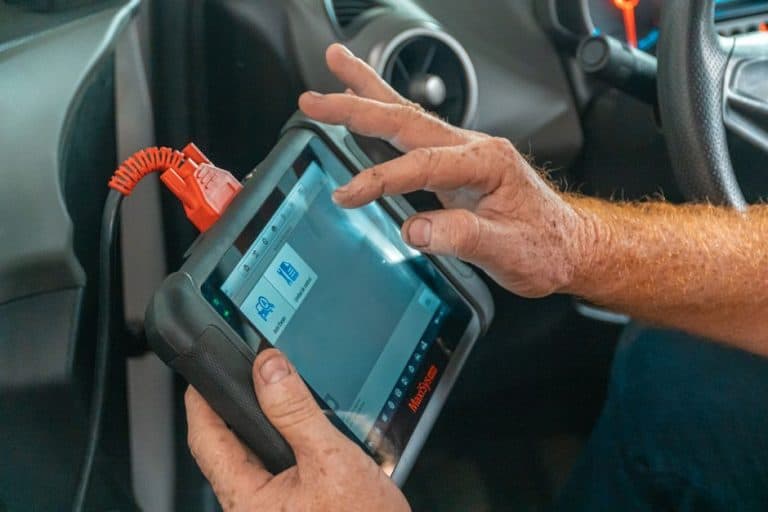
- Scan for misfire, knock, and timing-retard data (look at freeze-frame and live logs under the complaint conditions)
- Check ECU calibration/version (manufacturers sometimes release updates that adjust boost and spark in LSPI-prone regions)
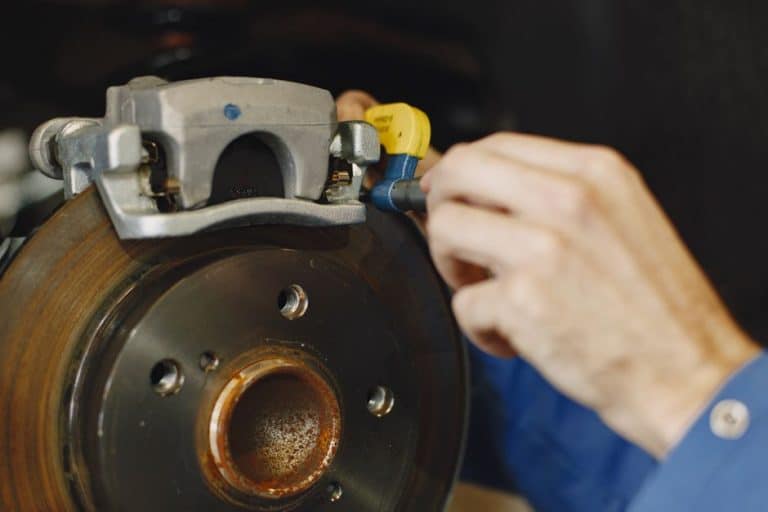
- Inspect plugs for heat range correctness, gap, and signs of abnormal combustion (peppering, melted electrodes)
- Assess PCV system and oil control (excess oil ingestion can increase risk)
- Consider intake valve and combustion chamber deposits (especially on GDI-only engines)
Real-world example: if a vehicle is modified with a high-torque tune that delivers peak boost at very low RPM, a log showing high load at 1,700 RPM with sudden timing pull can point you toward calibration and operating conditions—not just “bad fuel.”
Can carbon buildup contribute to LSPI, and how do you address it?
Carbon deposits can influence combustion by creating hot spots or changing how fuel and air mix near the piston crown. Direct injection engines are more prone to intake valve deposits because fuel doesn’t wash the valves the way it does in port-injected engines.
Actionable options:
- Use high-quality fuel and stick to sensible service intervals
- Periodic intake cleaning where appropriate (for example, walnut blasting on certain engines—performed by experienced technicians)
- Check crankcase ventilation because oil vapours accelerate deposit formation
Note: not every engine needs aggressive cleaning. The best practice is inspection-led maintenance—especially if the customer’s driving profile is short trips and stop-start traffic, which can increase deposit formation.
What role does ECU tuning play—can a tune cause LSPI?
A tune doesn’t automatically “cause” LSPI, but certain tuning choices can raise the risk—particularly torque-heavy calibrations that build boost early and create high cylinder pressure at low RPM. Some performance files prioritize low-end torque because it feels fast in daily driving, but that’s the region LSPI dislikes.
Actionable tuning advice:
- Ask for a calibration that manages boost and torque in low RPM high-load cells
- Use the correct spark plugs (heat range and gap) recommended for the power level
- Commit to high-quality oil of the correct specification and change it on a performance-appropriate interval
Are there any broader trends making LSPI more relevant right now?
Yes. The industry trend toward smaller turbo engines is tied to fuel economy and emissions targets, which encourages high torque at low RPM and higher cylinder pressures in normal driving. For readers who want context on how efficiency and emissions pressures shape modern engine design and consumer choices, a useful starting point is this general resource from BBC News, which frequently covers transport, emissions policy, and automotive technology developments.
What is a practical LSPI prevention checklist I can follow?
Use this as a simple, workshop-friendly and owner-friendly checklist:
- Use the manufacturer-correct oil specification (not just viscosity). Don’t mix random top-ups.
- Shorten oil change intervals if you do lots of short trips, track days, towing, or have a tuned vehicle.
- Run quality fuel from reputable stations; if the engine recommends premium, use it consistently.
- Don’t lug the engine: downshift before heavy throttle at low RPM.
- Keep software current: check for ECU/TCU updates that address drivability and low-speed boost control.
- Maintain ignition components: correct plug type, heat range, and gap; replace coils if weak.
- Inspect PCV/breather systems to reduce oil ingestion and deposits.
- Be cautious with low-RPM torque tunes: request a safer torque curve and proper logging.
Conclusion: What should I do next if I suspect LSPI in my vehicle?
LSPI is real, it’s relevant to modern turbo petrol engines, and it’s often preventable with the right maintenance choices and driving habits. If you suspect LSPI, start by documenting when it happens (RPM, gear, throttle, fuel type), confirm the correct oil specification is being used, and book a diagnostic session that includes data logging and ignition inspection. Catching the pattern early can be the difference between a minor adjustment and a major engine repair.